

Table of Contents
Everest Base Camp trek difficulty is one of the first things almost every prospective trekker searches for before booking. It’s a fair question. This is one of the most iconic treks in the world, and it’s natural to want a clear, honest answer about what you’re actually signing up for before you commit weeks of training and a serious travel budget to it.
Here’s a straightforward breakdown of what makes the trek to Everest Base Camp difficult, what past GST trekkers have actually experienced on the trail, and where things stand for anyone planning the trek in the current season.
Short Summary: Everest Base Camp Trek Difficulty
- Everest Base Camp trek difficulty is generally rated moderate to strenuous, mainly due to high altitude rather than technical climbing.
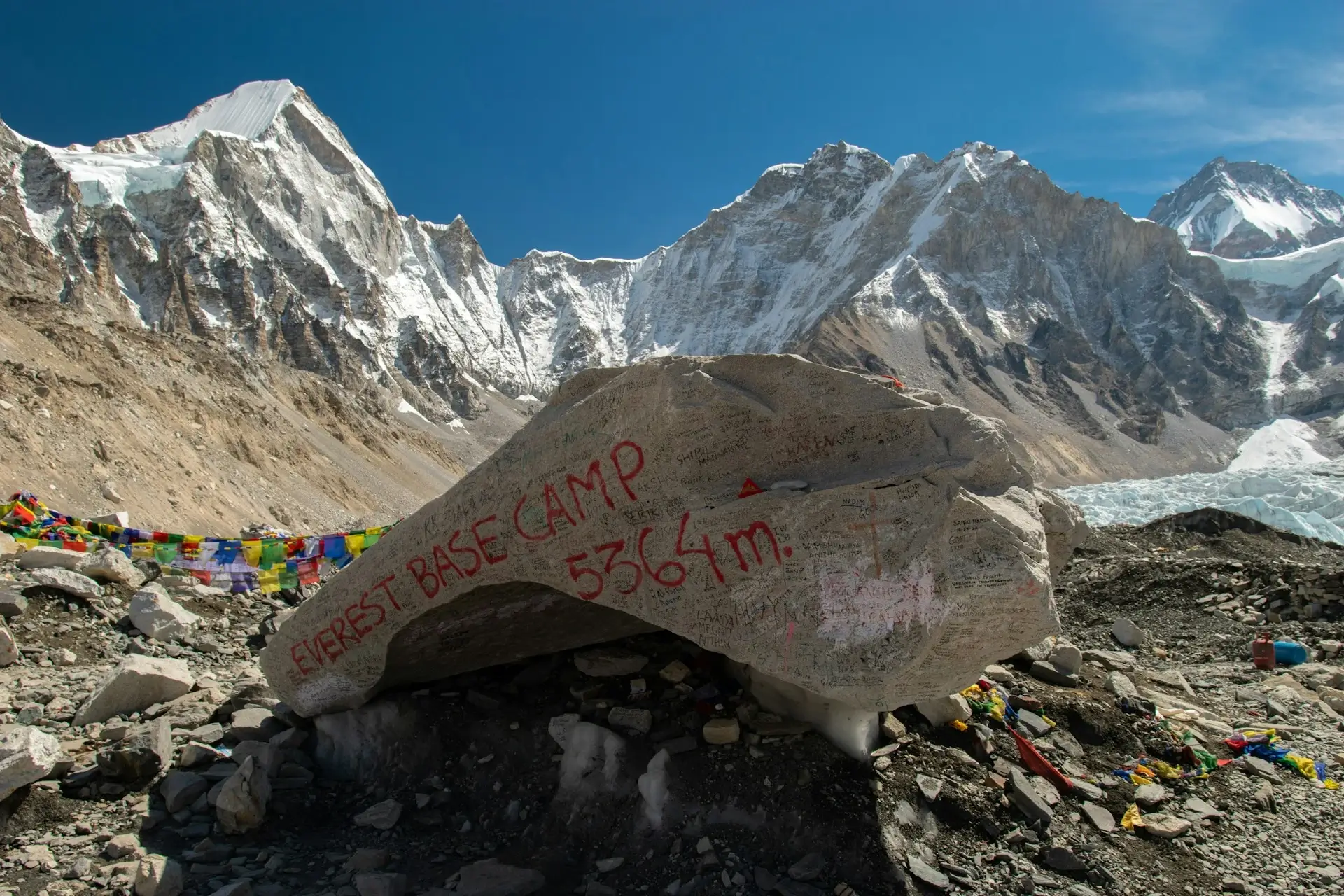
- The trek covers around 130 km round trip, reaching 5,364 metres at Everest Base Camp.
- Altitude sickness is the biggest challenge and can affect trekkers regardless of fitness or experience.
- Expect to hike 5–8 hours per day over 12–14 days across rocky trails, suspension bridges, and steep ascents.
- Proper acclimatization days at Namche Bazaar and Dingboche are essential for a safe and successful trek.
- Experienced guides help monitor altitude symptoms, adjust pacing, and provide support throughout the journey.
- A licensed guide is now mandatory for all trekkers in Nepal, including the Everest Base Camp route.
- The best trekking seasons are spring (March–May) and autumn (September–November) for stable weather and clearer mountain views.
Is the Everest Base Camp Trek Actually Difficult?
The honest answer is that it’s moderately difficult to strenuous, and the difficulty comes from a specific combination of factors rather than any single obstacle. Technically speaking, there’s no climbing involved. You don’t need ropes, crampons, or mountaineering experience. The trails are well established, and teahouses provide basic shelter and food along the entire route.
What makes it genuinely challenging is everything else layered on top of that straightforward walking.
The Factors That Make This Trek Difficult
Altitude Is the Real Challenge, Not Distance
The total round trip distance is around 130 kilometres, starting and ending at Lukla. On flat ground at sea level, this wouldn’t be difficult for most moderately fit people. But the trek climbs from Lukla at 2,860 metres to Everest Base Camp at 5,364 metres, and it’s this altitude gain, not the distance itself, that makes the trek hard.
- Oxygen levels drop steadily as you climb. By the time you reach Base Camp, the air holds roughly half the oxygen available at sea level.
- Even small uphill sections feel much harder than they should. Reduced oxygen slows your breathing and pace regardless of how fit you are.
- Altitude sickness affects trekkers of every fitness level. It isn’t tied to age, previous trekking experience, or how much training you’ve done beforehand.
The Days Are Long and Add Up
Most itineraries have trekkers walking five to eight hours a day for twelve to fourteen days. No single day is usually extreme on its own, but the cumulative fatigue over nearly two weeks is real.
- Early mornings and consistent daily routines for close to two weeks require a level of mental stamina as much as physical endurance.
- Terrain varies constantly, with steep stone steps, rocky moraine, and suspension bridges, meaning even shorter days can be tiring.
- Basic teahouse accommodation means limited comfort at the end of long trekking days, which adds to overall fatigue over time.
Weather and Cold Add Another Layer
Temperatures drop significantly at higher elevations, particularly above 4,000 metres, and conditions can shift throughout a single day regardless of the forecast.
- Spring and autumn are the most stable seasons, but even then, weather can change quickly at altitude.
- Cold intensifies fatigue and makes rest stops less comfortable, particularly at higher camps like Dingboche, Lobuche, and Gorak Shep.
- Flight delays to and from Lukla are common when weather turns, which can compress or extend your schedule unexpectedly.
Acclimatisation Cannot Be Rushed
The single biggest factor separating a smooth trek from a difficult one is how well the itinerary handles acclimatization.
- Ascending too quickly is the most common mistake. Covering too much altitude in a single day gives your body no time to adjust.
- Rest days at key points, particularly Namche Bazaar and Dingboche, are not optional extras. Skipping them significantly increases the risk of altitude sickness.
- Sleeping altitude matters more than daytime altitude. Your body does most of its adjusting during rest, which is why itineraries are built around where you sleep each night, not just how high you climb during the day.
How GST Guides Help Trekkers Through the Hardest Parts
Every trekker experiences the difficulty of this trek differently, and the role of an experienced guide often ends up being the deciding factor in whether someone completes the trek comfortably or struggles through it.
GST’s guides watch for early signs of altitude sickness well before they become serious, adjusting pace, extending rest stops, or in some cases modifying the itinerary on the ground when a trekker needs more time to acclimatize. This kind of real-time judgment matters more than most first-time trekkers expect.
A guide who knows the route and has seen hundreds of trekkers move through it can often tell the difference between normal altitude fatigue and something that needs closer attention, well before it becomes a bigger problem.
Trekkers who’ve completed the route with GST often point to a few consistent things that made the difficult stretches manageable:
- Guides pacing the group deliberately slower than trekkers expect, particularly on the days between Namche and Dingboche, which are often where altitude first starts to bite.
- Flexibility built into the itinerary, allowing an extra rest day or a slower pace when a trekker is clearly struggling, rather than pushing through a fixed schedule regardless of condition.
- Direct coordination with medical support in Kathmandu when altitude symptoms escalate, including arranging evacuation when needed, which gives trekkers real peace of mind heading into the higher altitude sections of the route.
- Genuine familiarity with the Khumbu region built over years of guiding the same route, which shows up in small but meaningful ways, like knowing which teahouses handle high altitude guests well and where the trail conditions tend to catch people off guard.
This kind of support doesn’t remove the difficulty of the trek; altitude is altitude, but it does mean trekkers are rarely facing a tough stretch without someone experienced beside them who knows exactly what to do next.
Current Trends and What’s Changed for Trekkers Recently
The Everest Base Camp trek has seen some meaningful changes to permit and guide requirements recently, and it’s worth knowing where things stand before you plan your trip.
- Solo trekking is no longer permitted anywhere in Nepal, including on the Everest Base Camp route. Every trekker now needs a licensed guide, a change made to improve trekker safety and support local employment.
- The minimum group size requirement for restricted area permits has been removed. Individual trekkers can now obtain the necessary permits as long as they’re accompanied by a licensed guide and book through a registered agency.
- TIMS is no longer actively enforced in the Khumbu region, though the Sagarmatha National Park Entry Permit and the Khumbu Pasang Lhamu Rural Municipality Permit remain required for anyone trekking to Base Camp.
- Online permit processing has sped things up. Most permit categories can now be applied for using your visa number, which has cut down processing delays compared to previous years.
These changes mean the logistics of getting on the trail have gotten somewhat simpler, even as the trek itself remains just as physically demanding as ever. GST handles all required permits and guide arrangements as part of every Everest region booking, so trekkers don’t need to navigate these requirements on their own.
Everest Base Camp Treks Offered by Glacier Safari Treks
If you’re ready to take on the challenge, GST offers a few different ways to reach Everest Base Camp, depending on your timeline and how much additional adventure you want built into the trip:
- Everest Base Camp and Island Peak, 19 days, for trekkers who want to combine the classic Base Camp trek with a climb up Island Peak, a popular first 6,000 metre summit.
- Kala Pattar and Everest Base Camp, 15 days, the classic route with the added summit of Kala Patthar for the closest possible view of Everest without technical climbing.
- Lower Everest Region Trek, 9 days, a shorter option for trekkers with less time who still want to experience Sherpa villages and views of Everest and its neighboring peaks.
Ready to take on the challenge yourself? Book a trek to Everest Base Camp with Glacier Safari Treks and let our experienced guides help you through every step of the journey.
FAQs on Everest Base Camp Trek Difficulty Level
1. Do I need previous trekking experience to complete the Everest Base Camp trek?
No. Previous trekking experience helps, but it isn’t required. What matters more is a reasonable level of physical fitness and a willingness to move at a slow, steady pace to allow for proper acclimatization.
2. What is the biggest cause of trekkers not completing the trek?
Altitude sickness is the most common reason trekkers have to turn back before reaching Base Camp, usually tied to ascending too quickly or skipping planned rest days.
3. How many hours do you walk each day on the Everest Base Camp trek?
Most days involve five to eight hours of walking, depending on the specific stage of the itinerary and the terrain for that day.
4. Is a guide required for the Everest Base Camp trek now?
Yes. Solo trekking is no longer permitted anywhere in Nepal, and a licensed guide is required for the entire route.
5. What’s the best season to attempt the trek for the most manageable conditions?
Spring, from March to May, and autumn, from September to November, are generally considered the most stable seasons, offering clearer skies and more reliable weather for both trekking and Lukla flights.