

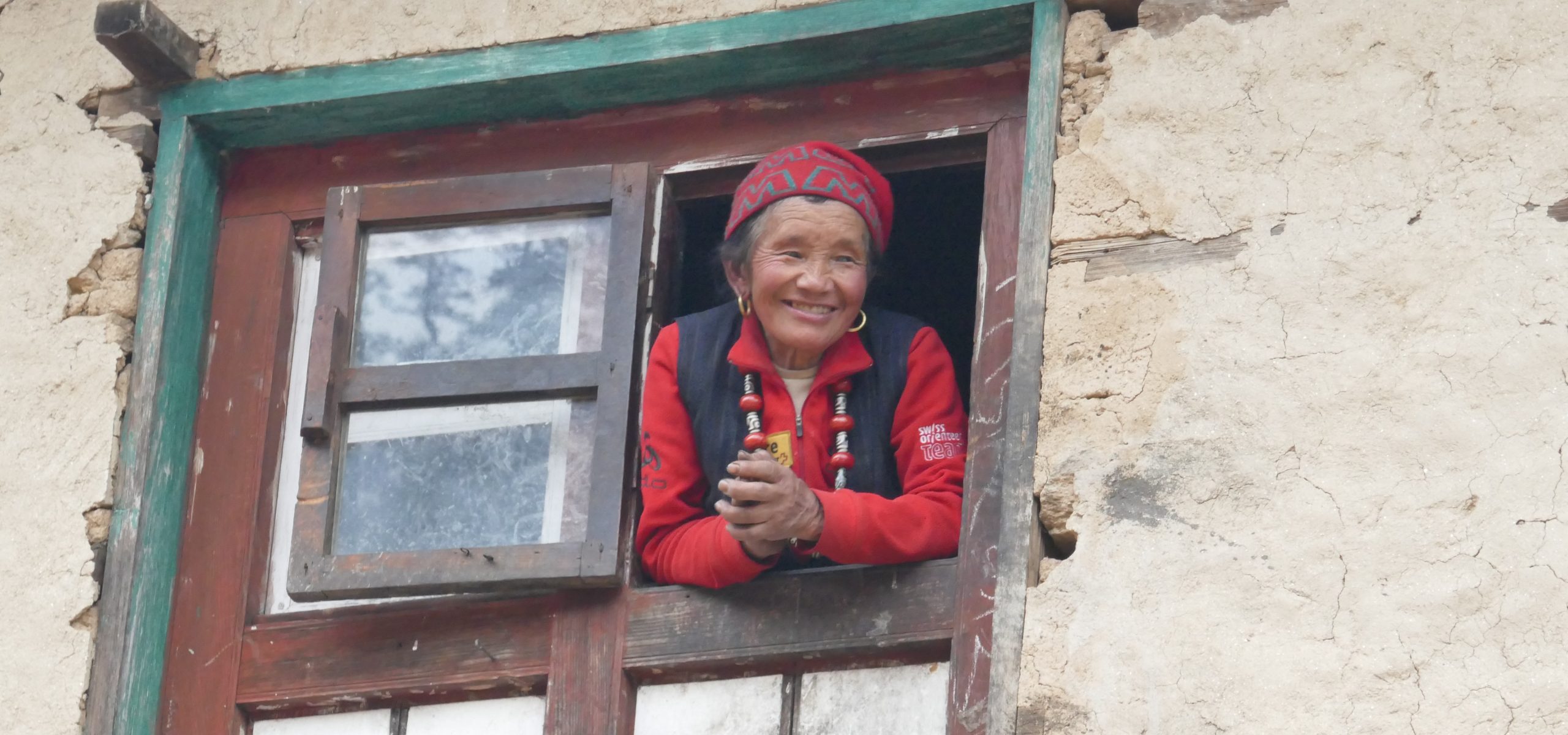
Solu Sherpa Village Treks offers a path through the lower Everest region. Most travelers choose the higher trails toward Everest Base Camp. High altitude trails offer thin air and stone landscapes. Solu offers green valleys and deep forests. This region provides a look into the lives of the Sherpa people. You walk through lands where families farm. You walk through lands where monks pray. The Solu region sits south of the Khumbu. Altitude remains moderate. High peaks stand in the distance. The experience focuses on people. The experience focuses on history.
Solu Region Overview
Solu represents the traditional home of the Sherpa community. Many famous climbers grew up in these villages. The landscape features terraced fields. Farmers grow potatoes and barley. They grow buckwheat.
Blue pines cover the hillsides. Large rhododendron trees fill the woods. These trees bloom in spring. You see red flowers. You see pink flowers. The trail stays below four thousand meters. Breathing feels easier here. Sleep feels better here. You avoid the risks of high altitude sickness. You avoid the massive crowds of the main Everest trail.
The Sherpa Lifestyle
Sherpa culture defines this trek. Most visitors only know Sherpas as mountain guides. Solu shows Sherpas as farmers and teachers. Families live in stone houses. Houses have flat roofs. Houses have colorful window frames. You stay in local tea houses. You eat in family kitchens. Sherpa people practice Tibetan Buddhism.
Religion shapes daily life. You see prayer flags on every ridge. Wind blows the flags. The flags carry prayers across the valley. You see long walls made of carved stones. Locals call these Mani walls. Walk to the left side of these walls. This shows respect.
Villages like Junbesi feel like living museums. People speak the Sherpa language. They wear traditional clothing during festivals. Men wear long robes called Bakhu. Women wear striped aprons. These aprons show marital status.
You see children walking to schools built by Sir Edmund Hillary. Education holds a high place in these communities. Neighbors help neighbors. Life follows the seasons. Planting happens in spring. Harvest happens in autumn. Winter brings snow and quiet.
Monasteries and Spiritual Paths
Spirituality remains the core of Solu. You visit the Chiwong Monastery. This monastery sits high on a cliff. The view reaches far down the valley. Monks live here. They study ancient texts. They perform rituals with horns and drums.
You hear the low sound of the chanting. The smell of burning juniper fills the air. Juniper smoke cleanses the space. You visit Thupten Choling. This monastery houses hundreds of monks and nuns. Many came from Tibet. They keep old traditions alive.
The architecture features bright colors. Red and gold paint covers the wood. Murals show the life of the Buddha. You see butter lamps burning on altars. The flame represents wisdom. You walk the local trails connecting these sites.
These paths served as trade routes for centuries. People carried salt from Tibet. They carried grain from the valleys. These trails feel ancient. Every stone has a story.
Local Trails and Geography
The Solu Sherpa Village Treks uses historic paths. You start in Phaplu. Phaplu has a small airstrip. Small planes land here. The walk begins on dirt tracks. The tracks lead through pine forests.
You hear birds. You hear the sound of the Solu Khola river. The water comes from melting glaciers. The water looks white and cold. You cross suspension bridges. These bridges swing over deep gorges. Steel cables hold the weight. Mules cross these bridges. Mules carry supplies to the villages.
The terrain goes up and down. You climb a ridge. You descend to a stream. This movement builds strength. You see the Pikey Peak in the distance. Pikey Peak offers a view of Mount Everest. You see Lhotse. You see Makalu.
The mountains look white against the blue sky. The air feels clean. No cars drive here. No engines roar. Only the sound of bells rings out. Mules wear bells. Cows wear bells. The sound tells you a group approaches.
Who this Trek is Best for
This trek suits people seeking culture. It suits people seeking peace. You should choose this trek if you dislike crowds. The main Everest trail feels like a highway. Solu feels like a garden. Families find this trek manageable.
The moderate altitude makes the walk safe for children. The walk remains safe for older hikers. Photography enthusiasts find endless subjects. You photograph the faces of the elders. You photograph the golden roofs of the monasteries.
Hikers with a short time frame benefit from this route. You see the Himalayas without the long trek to the base camp. You learn about the Sherpa heartland. You contribute to the local economy. Money goes directly to the village families. This supports the schools. This supports the small clinics. You become a guest rather than just a tourist.
Departures
GST offers organized departures for the Solu Sherpa Village Treks. Professional guides lead these trips. These guides speak the local language. They know the history. They know the secret views. We limit group sizes. Small groups move faster. Small groups have less impact on the environment. We have four key dates for the upcoming season.
23 February Departure
February offers cold nights. The sky stays clear. You see the mountains every day. Winter light provides the best photos. The air feels sharp. You see the winter life of the villages. People sit around wood stoves. They drink salt butter tea.
16 March Departure
March brings the start of spring. Rhododendrons begin to bud. The weather feels warmer. Farmers start preparing the fields. The trails dry out. You see the first migratory birds return.
13 April Departure
April represents the peak of the flower season. The hills turn red with blooms. Temperatures feel comfortable for walking. Days last longer. You have more time to explore the monasteries.
20 April Departure
Late April offers the warmest trekking weather. The high passes feel clear. You see the full activity of the farming season. The landscape looks vibrant green.
Reserve your seats now!
Space remains limited for these dates. We prioritize safety. We prioritize authentic experiences. Contact GST to secure your spot. We provide a full gear list. We provide a detailed itinerary. Choose a date. Pack your bags. Walk the path of the Sherpa.
The Solu Sherpa Village Treks waits for you. The mountains stand tall. The villages remain open. The people welcome your visit. Choose the alternative path. See the real Sherpa world. Reserve your preferred Solu Sherpa departure now.