

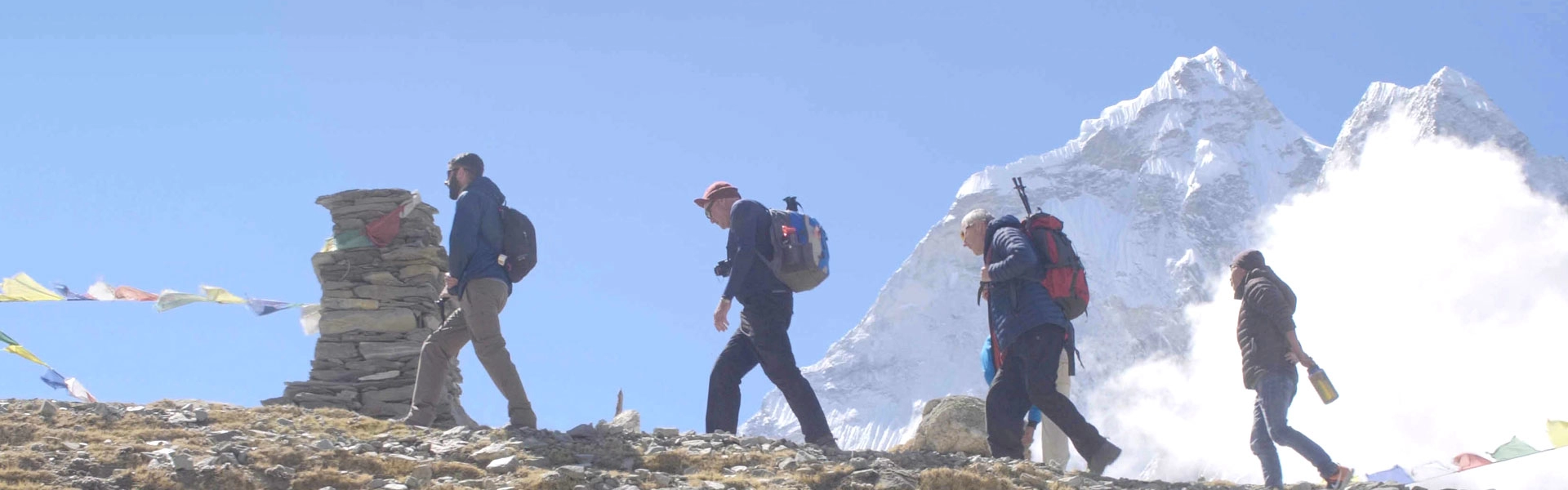
Spring provides the primary window for Himalayan exploration. This season spans from February through May. Most trekkers choose the period between February and April. This specific timeframe offers stable weather conditions. Clear skies provide mountain views. Forests fill with color. Glacier Safari Treks schedules several departures during these months. You find trails less crowded than during the autumn peak. You witness the transition from winter to summer.
February Weather Patterns
February marks the conclusion of winter. Cold air persists at high altitudes. Days feel crisp. The sun shines during daylight hours. Nights remain freezing. Snow covers high passes. This snow creates a white landscape. Low altitude trails stay clear. Visibility remains high. Dust does not fill the air. You see sharp mountain peaks from long distances.
Morning temperatures in Kathmandu stay around 5 degrees Celsius. Higher elevations like Namche Bazaar drop to minus 10 degrees at night. Daytime trekking feels comfortable under the sun. You wear a light jacket while walking. You switch to a heavy down jacket at sunset.
February offers quiet trails. Most tourists wait for warmer months. You enjoy solitude. You find space in tea houses. Local hosts provide personalized service. You observe the mountains in their winter state. Ice clings to waterfalls. Frozen lakes reflect the sky.
March Weather Patterns
March brings warmer temperatures. Winter snow begins melting. High trails become accessible. Lower valleys turn green. Mornings stay clear. Clouds form in the afternoon. Rain happens rarely. The air feels fresh.
Daytime temperatures at 3000 meters reach 15 degrees Celsius. Nights stay near freezing. You notice the landscape change. Farmers start their work. Birds return to the forests. March bridges the gap between the cold winter and the hot spring.
Visibility remains good for photography. Morning light hits the peaks. The atmosphere stays clean. You see the deep blue of the sky. March represents the start of the primary trekking season. More lodges open their doors. The mountain communities prepare for visitors.
April Weather Patterns
April offers the warmest trekking weather. You walk in light clothing at lower elevations. High altitudes feel comfortable. The sky remains blue during early hours. Haze sometimes appears in the valleys. Mountain views stay excellent before noon. This month provides a balance of heat and visibility.
April marks the peak of the spring season. Temperatures at high altitudes rise above freezing even at night. This warmth makes the trek easier for most people. You use less fuel to stay warm. You sleep better in the mountain lodges.
The landscape reaches full maturity. Every tree grows new leaves. Grass covers the meadows. Domestic animals move to higher pastures. April creates a lively environment. You encounter other trekkers from around the world. The social atmosphere at tea houses feels vibrant.
Snow vs Crowds
Winter snow limits access to some high routes in early February. This snow keeps crowds away. You enjoy quiet trails. You find peace in the mountains. Few groups occupy the tea houses. You get the best rooms. You receive more attention from local hosts.
As March arrives more trekkers appear. The crowd size remains manageable. April sees the highest number of spring trekkers. Even during peak April crowds feel smaller than October. You avoid long lines at check points. You walk at your own pace. You find quiet spots for rest.
The Season of the Beautiful Rhododendrons
Nepal contains over thirty species of rhododendron. This flower serves as the national symbol. The blooming season starts in March. Lower hills turn red first. As weeks pass pink and white flowers bloom at higher elevations. The forests transform into gardens. You walk through tunnels of flowers. This sight happens only in spring. The color contrasts against the white snow peaks. Photographers find this season ideal.
Specific regions like Ghorepani and Langtang offer the densest forests. You see trees reaching 15 meters in height. The flowers cover the entire canopy. Petals carpet the forest floor. You experience a unique botanical event. The scent of the forest changes. You see different bird species attracted to the nectar.
Visibility in Mid Hills Versus High Himalaya
Mid hill treks offer green landscapes. You see terraced fields. Local farmers plant their crops. These hills provide wide views of mountain ranges. High Himalaya treks place you among the peaks. You walk on moraines and glaciers. Spring visibility serves both regions. High peaks stay visible from the mid hills due to clear air. In the high Himalaya the sun reflects off the snow. You need sunglasses to protect your eyes.
Dust from the plains begins to rise in late April. This dust creates haze at lower altitudes. High altitude visibility remains unaffected. You climb above the haze layer. You look down on a sea of clouds. The peaks stand out like islands.
Spring Flora and Fauna
Spring brings the wildlife out. You see the Himalayan monal. This bird features nine colors. It represents the national bird of Nepal. You see langur monkeys in the trees. You see Himalayan tahr on the rocky slopes. These mountain goats possess thick fur.
You see different types of orchids. They grow on the trees in the lower forests. You see primulas and gentians. These small flowers grow in the alpine meadows. The biodiversity of the Langtang and Annapurna regions stays high.
Cultural Festivals in Spring
Spring hosts several festivals. Holi happens in March. People throw colored powder and water. This festival celebrates the arrival of spring. Shivaratri honors the god Shiva. Thousands of pilgrims visit the Pashupatinath temple. The Nepali New Year falls in mid April. You witness local celebrations in the villages. You see traditional dances. You hear local music. Participation in these events enriches your journey.
Solu Sherpa Village Trek: 10 Day Journey
The Solu Sherpa Village Trek stays at moderate altitudes. This route avoids extreme cold. You visit traditional Sherpa villages. These villages sit outside the main tourist paths. You see authentic culture. You visit monasteries. You interact with local people. The view of Mount Everest from the hills remains a highlight.
Solu Sherpa Village Trek Departures:
- 23 February
- 16 March
- 13 April
- 20 April
The journey starts with a drive to the Solu region. You avoid the Lukla flight. This path offers a safer alternative. You walk through pine forests. You cross suspension bridges. You sleep in local lodges. The terrain stays manageable for most fitness levels. This trek suits those seeking culture and quiet trails.
- Day 1 involves a drive from Kathmandu. You see the countryside. You reach the start of the trail.
- Day 2 brings you to the first Sherpa village. You notice the unique architecture. Stone houses feature wooden windows.
- Day 3 leads to a monastery. You hear the monks chant.
- Day 4 involves a climb to a viewpoint. You see the Everest range.
- Day 5 focuses on forest walks. You see the rhododendrons.
- Day 6 takes you to a local school. You meet the children.
- Day 7 involves a descent into a valley.
- Day 8 leads to a final ridge.
- Day 9 returns to the road.
- Day 10 involves the drive back to Kathmandu.
Annapurna Sanctuary Trek: 11 Day Journey
The Annapurna Sanctuary Trek spans 11 days. You walk into a bowl of mountains. Peaks surround you on all sides. You reach the base camp of Annapurna. The altitude reaches 4130 meters. This trek offers a fast transition from subtropical forests to alpine snow.
Annapurna Sanctuary Trek Departures:
- 17 March
- 13 April
- 20 April
In March the trail features blooming rhododendrons. In April the snow near the base camp starts to settle. The path goes through the Modi Khola valley. You see Machhapuchhre. This mountain features a fishtail shape. You soak in natural hot springs at Jhinu Danda. This trek provides a deep mountain experience in a short time.
- Day 1 involves arrival in Kathmandu.
- Day 2 requires a drive or flight to Pokhara.
- Day 3 starts the trek from Nayapul. You walk to Tikhedhunga.
- Day 4 involves the climb to Ghorepani. You face 3000 stone steps.
- Day 5 starts with a sunrise at Poon Hill. You see the Dhaulagiri range. You trek to Tadapani.
- Day 6 leads to Chhomrong. You see Annapurna South.
- Day 7 follows the river to Bamboo.
- Day 8 climbs to Deurali.
- Day 9 reaches Annapurna Base Camp. You stand inside the sanctuary.
- Day 10 involves the long descent to Jhinu. You visit the hot springs.
- Day 11 returns you to Pokhara and then Kathmandu.
Gurung Villages to Annapurna Balcony Trek: 9 Day Journey
This trek takes 9 days. The route focuses on Gurung culture. You visit Ghandruk and Landruk. These villages feature stone houses and slate roofs. The trek stays at moderate altitudes. You get a front row seat to the Annapurna range.
Gurung Villages to Annapurna Balcony Departures:
- 10 February
- 23 February
- 27 February
The February departures offer clear winter views. You see the mountains without clouds. The air feels sharp. You witness the daily life of the Gurung people. They prepare their fields for the coming spring. This trek requires less physical effort than high altitude routes. You walk on well maintained stone stairs.
- Day 1 involves arrival in Kathmandu.
- Day 2 takes you to Pokhara.
- Day 3 starts the trek to Pothana.
- Day 4 leads to Landruk. You see the terrace farms.
- Day 5 takes you to Ghandruk. This village serves as a cultural hub. You visit the Gurung Museum.
- Day 6 leads to Tadapani.
- Day 7 takes you to Ghorepani.
- Day 8 starts at Poon Hill and ends in Nayapul.
- Day 9 returns you to Kathmandu.
Tsum Valley Trek: 10 Day Journey
The Tsum Valley Trek lasts 10 days. This valley is a hidden gem. It borders Tibet. The people follow ancient Buddhist traditions. You see long mani walls. You visit Milarepa Cave. The valley feels like a step back in time.
Tsum Valley Trek Departures:
- 17 March
- 13 April
- 20 April
March and April provide the best access to this remote region. The winter snow retreats from the valley floor. You see the Ganesh Himal range. The trek starts from the Manaslu circuit trail. You then turn into the valley. You find a peaceful environment. Modern life has not reached this area.
- Day 1 involves a long drive to Soti Khola.
- Day 2 leads to Machha Khola.
- Day 3 reaches Jagat. You enter the restricted area.
- Day 4 leads to Lokpa.
- Day 5 reaches Chumling.
- Day 6 takes you to Chokhangparo.
- Day 7 reaches the Nile village.
- Day 8 involves a visit to Mu Gompa. This monastery sits at the head of the valley.
- Day 9 starts the descent.
- Day 10 returns to the road and Kathmandu.
Langtang Gosaikund Trek: 13 Day Journey
The Langtang Gosaikund Trek spans 13 days. This trek combines a mountain valley with holy lakes. You walk through Langtang National Park. You see the effects of the 2015 earthquake. You see the resilience of the people. You then climb to the sacred lakes of Gosaikund. These lakes sit at 4380 meters.
Langtang Gosaikund Trek Departures
- 23 February
- 16 March
- 6 April
The February departure features frozen lakes. The sight of ice against the mountains looks stunning. In March and April the ice begins to melt. The water turns blue. You cross the Lauribina Pass. You see views stretching from Annapurna to Everest. This trek requires good fitness. You face steep climbs.
- Day 1 involves arrival.
- Day 2 takes you to Syabrubesi.
- Day 3 leads to Lama Hotel.
- Day 4 reaches Langtang Village.
- Day 5 leads to Kyanjin Gompa.
- Day 6 involves an acclimatization hike.
- Day 7 returns to Lama Hotel.
- Day 8 leads to Thulo Syabru.
- Day 9 reaches Sing Gompa.
- Day 10 takes you to Gosaikund.
- Day 11 crosses the pass to Ghopte.
- Day 12 leads to Kutumsang.
- Day 13 returns to Kathmandu.
Practical Insights for Spring Trekking
Pack layers. Morning temperatures differ from afternoon temperatures. Bring a warm down jacket for evenings. Use a sleeping bag rated for sub zero temperatures. Wear sturdy hiking boots. Apply sunblock daily. The sun feels strong at high altitudes. Drink plenty of water. Dry air leads to dehydration.
Carry local currency. Small villages do not have ATMs. Bring a headlamp with extra batteries. Power outages happen in the mountains. Use a reusable water bottle. Buy water purification tablets. Avoid plastic waste.
Respect the local culture. Walk to the left of mani walls and chortens. Ask permission before taking photos of people. Remove shoes before entering temples. Learn a few words of Nepali. A simple greeting goes a long way.
Food in the Himalayas
Local lodges provide various meals. Dal bhat serves as the staple dish. This meal includes rice and lentil soup. Vegetable curry and pickles accompany the rice. This food provides the necessary energy for walking. You find momos on every menu. These steamed dumplings contain vegetables or meat. You find pasta and noodles. You find potatoes cooked in different ways.
Breakfast usually consists of eggs and porridge. You find Tibetan bread. You find pancakes. Hot tea and coffee keep you warm. Ginger lemon honey tea helps with altitude. You find bakeries in larger villages like Namche and Ghandruk. They sell fresh bread and cake.
The quality of food has improved over the years. Chefs receive training. They understand hygiene. They use local ingredients. You support the local economy by eating in the tea houses.
Health and Safety
Altitude sickness remains a concern. Walk slowly. Listen to your body. Drink four liters of water every day. Avoid alcohol at high elevations.
If you feel symptoms like headaches or nausea inform your guide. Descend if the symptoms persist. Most spring treks reach moderate altitudes. Acclimatization happens naturally during the walk.
Insurance is mandatory. Your policy must cover helicopter evacuation. This service provides a safety net in case of emergency. Accidents stay rare but preparation is key. Carry a personal first aid kit. Include blister tape and painkillers.
Gear Checklist
- Upper Body: Thermal base layers. Trekking shirts. Fleece jacket. Down jacket. Waterproof shell jacket.
- Lower Body: Thermal leggings. Trekking trousers. Waterproof trousers.
- Head and Hands: Warm hat. Sun hat. Neck gaiter. Gloves with liners.
- Feet: Hiking boots. Camp shoes. Wool socks.
- Other: Backpack with rain cover. Trekking poles. Sunglasses with UV protection. Sleeping bag. Headlamp. Power bank. Towel.
Why Trek with Glacier Safari Treks
Glacier Safari Treks prioritizes your experience. We employ local guides. These guides know every turn of the trail. They understand the weather patterns. They provide cultural context. We handle all logistics. We book the best available lodges. We arrange transportation.
Our groups stay small. This allows for flexibility. You get more time to explore. You receive individual attention. We focus on safety and comfort. We support local communities. We follow fair trade principles for our staff. Choose your ideal trek from our confirmed 2026 departures.