

Table of Contents
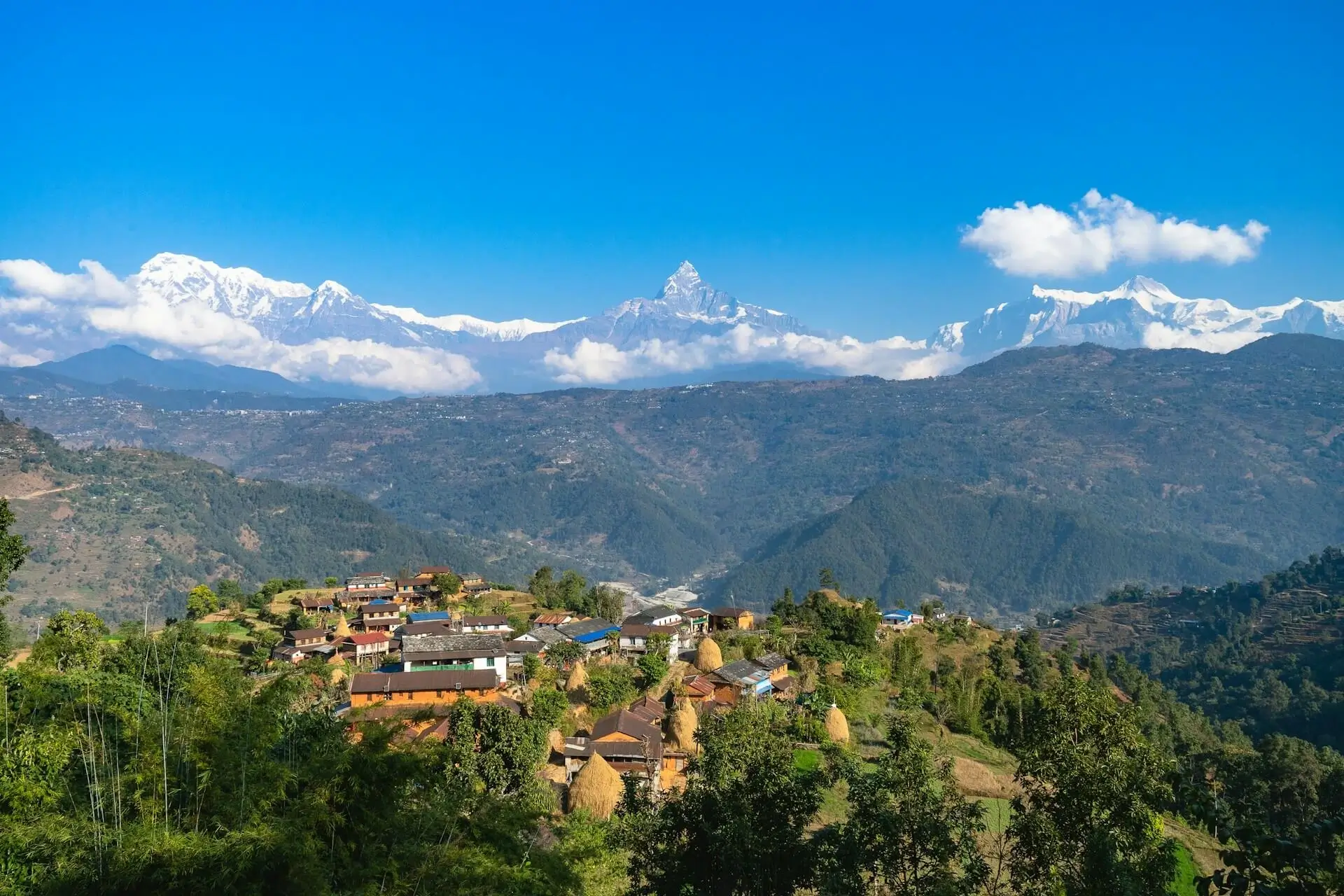
Nepal is the kind of destination that turns a holiday into a lifelong memory. You may begin your trip by exploring ancient temples in Kathmandu, continue with peaceful moments beside Phewa Lake in Pokhara, and eventually find yourself walking beneath snow-covered Himalayan peaks.
Before you start this unforgettable journey, however, you need to organise your Nepal tourist visa and understand the additional permits required for trekking.
If you are searching for Nepal visa for French citizens, visa requirement for French citizens in Nepal, Ambassade du Népal en France visa, visa népal pour français, visa pour le Népal depuis la France or visa Népal France, this guide covers the application process, requirements, fees, 2026 updates, trekking permits and popular routes among French travellers.
Quick Insights: Nepal Visa for French Citizens
- French citizens need a visa for Nepal: Tourist visas are available for 15 days (US$30), 30 days (US$50), or 90 days (US$125). French travelers can apply through Nepal’s official immigration process, obtain a visa on arrival where eligible, or apply through the Embassy of Nepal in Paris.
- Your passport should meet the validity requirement: Nepal’s official immigration guidance requires a passport valid for at least six months before travel. The Embassy of Nepal in Paris also specifies that travel documents should have at least two empty pages.
- A tourist visa does not replace trekking permits: Depending on your route, you may also need a TIMS card, national park or conservation-area permit, local permit, or restricted-area trekking permit.
- Guide requirements depend on your trekking route: Under the revised TIMS provisions, trekkers on many designated protected routes must travel with a licensed trekking guide and carry a trekking-agency-issued TIMS card.
- Tourist visas can be extended in Nepal: Extensions are available through immigration offices, with tourist stays generally limited to a maximum of 150 days per calendar year.
- Plan for extra time before your departure: Mountain weather, domestic flight delays, road conditions, and trekking itinerary changes can affect your schedule, so avoid planning your international departure immediately after your trek.
Do French Citizens Need a Visa for Nepal?
Yes. French citizens need a visa to enter Nepal for tourism, sightseeing, cultural travel, and trekking. The French Ministry for Europe and Foreign Affairs confirms that entry into Nepal is subject to obtaining a visa.
The process is generally straightforward because French passport holders can usually choose between applying before departure or obtaining a visa after arriving in Nepal.
You can normally:
- Apply through the Embassy of Nepal in Paris.
- Complete the online tourist visa application before travelling.
- Obtain a visa on arrival at Tribhuvan International Airport in Kathmandu.
- Apply at an authorised land border if entering Nepal overland.
Nepal tourist visas are generally available for 15, 30 or 90 days. They are normally issued as multiple-entry visas, which can be helpful if your itinerary includes India, Bhutan or another neighbouring country.
In simple terms, the answer to “Do French citizens need a visa for Nepal?” is yes, but there are several convenient ways to obtain one.
Choosing the Right Tourist Visa
The best visa duration depends on the type of holiday you are planning.
A 15-day visa may be suitable for a short Kathmandu and Pokhara holiday, a cultural tour or a brief trek. A 30-day visa is more comfortable if you want to combine city sightseeing with a longer route such as Everest Base Camp, Annapurna Circuit or Langtang Valley.
A 90-day visa may be the better choice for travellers planning several trekking regions, a Nepal and India combination trip or a slower journey through the country.
When choosing your visa, remember to include travel days, rest days and possible delays. Mountain flights can be affected by weather, while roads may take longer than expected. In Nepal, having a little extra time is usually better than having to rush.
How Can French Citizens Apply?
French travellers generally have three options: visa on arrival, online pre-application or application through the Embassy of Nepal in Paris.
Visa on Arrival in Kathmandu
For many tourists, the visa-on-arrival process is the easiest option. After landing at Tribhuvan International Airport, you will generally complete the application form, pay the visa fee, and proceed to immigration.
The process usually involves:
- Completing the online or airport visa form.
- Saving or printing the confirmation.
- Paying the required fee.
- Joining the immigration queue.
- Presenting your passport and documents.
- Receiving your tourist visa.
The Department of Immigration currently lists the following tourist visa-on-arrival fees:
- 15-day visa: US$30.
- 30-day visa: US$50.
- 90-day visa: US$125.
The process is normally simple, but queues may be longer during Nepal’s busiest tourism seasons, particularly in spring and autumn.
A useful arrival tip
Keep your essential documents in your hand luggage rather than your checked suitcase. You should be able to access your passport, visa confirmation, passport photographs, hotel details and travel insurance immediately after landing.
It is also useful to carry:
- A printed copy of your visa application.
- A pen.
- Your first hotel’s address.
- Your return or onward flight details.
- Emergency contact information.
- Cash for the visa fee.
Airport facilities may be available, but it is better not to depend entirely on airport Wi-Fi, card machines, or a phone battery that is almost empty.
Applying Online Before Departure
French citizens can complete the official Nepal tourist visa application before travelling. This allows you to submit your personal information, passport details, accommodation address, intended arrival date, and planned length of stay in advance.
After submitting the form, save the confirmation on your phone and print a copy. The printed confirmation can be helpful if your phone loses power or internet access is slow at the airport.
You may see websites using the term “Nepal eVisa”. Be careful, as some private websites use this term to describe an online pre-application rather than a completely electronic visa. Always check that you are using an official Nepal government website before entering passport details or paying additional service charges.
Applying Through the Embassy of Nepal in Paris
Some travellers prefer to arrange their visa before leaving France. This can be particularly useful for families, large groups, long-stay travellers and visitors with complicated itineraries.
The Ambassade du Népal en France visa process generally includes:
- Completing the official online visa application.
- Printing the application confirmation.
- Preparing your original passport.
- Providing passport copies and recent photographs.
- Paying the applicable fee.
- Submitting the application in person or by post, where permitted.
- Collecting your passport or arranging return delivery.
The Embassy of Nepal in Paris provides specific instructions for tourist visa applicants. French residents who are not French citizens may also need to submit a copy of their French residence permit or French visa.
Before applying, check the embassy’s latest opening hours, processing time, payment method, and postal requirements. If you apply by post, you may need to include a prepaid, self-addressed envelope for the return of your passport.
Documents Required for a Nepal Tourist Visa
A well-prepared document folder can make the application process much easier. French citizens should generally have a passport valid for at least six months from the date of entry into Nepal, with at least two blank pages available.
You should also prepare:
- A completed Nepal tourist visa application.
- Recent passport-sized photographs.
- A copy of the passport information page.
- Accommodation details in Nepal.
- Flight itinerary, if requested.
- Travel insurance information.
- The correct visa fee.
- Trekking itinerary and agency details, if applicable.
If you plan to trek, keep your travel insurance and trekking information ready as well. Your visa application may not require every trekking document, but your agency will need your passport and visa details to arrange TIMS registration, conservation permits and restricted-area permissions.
Travelling with children
Children travelling on French passports need their own valid travel documents and visa arrangements. Parents should consider carrying copies of the child’s birth certificate, both parents’ passports and parental consent documents where necessary.
These documents may be especially useful if a child is travelling with only one parent or with another family member.
Nepal Visa Fees and Validity
The Nepal Department of Immigration currently lists tourist visa fees of US$30 for 15 days, US$50 for 30 days, and US$125 for 90 days.
Fees charged by the Embassy of Nepal in Paris may be displayed in euros and may follow specific payment instructions. Check the embassy’s latest information before applying because consular fees and payment methods can change.
Your visa period generally begins when you enter Nepal. This means you should calculate your stay from your arrival date rather than from the day you complete the online application.
Choose your visa duration carefully. A short visa may be sufficient for Kathmandu and Pokhara, but a longer visa is usually more practical for trekking routes, internal travel and unexpected delays.
What should French citizens do before travelling?
Before travelling, French visitors should:
- Check the latest visa information.
- Use official Nepal immigration sources.
- Confirm embassy procedures directly.
- Keep printed and digital copies of important documents.
- Use licensed trekking agencies.
- Confirm hotel and accommodation details.
- Avoid sending passport scans to unknown websites.
- Allow extra time for airport and immigration procedures.
The safest approach is not to rely on an old travel blog, outdated forum post or advice from someone who visited Nepal several years ago.
Extending Your Nepal Tourist Visa
Many travellers arrive in Nepal with a short itinerary and later decide to stay longer. After exploring Kathmandu, trekking through the mountains and relaxing in Pokhara, it is easy to understand why.
Tourist visa extensions are generally available through the Department of Immigration in Kathmandu or the Immigration Office in Pokhara. Nepal immigration information lists extensions at US$3 per day, with a minimum extension period of 15 days. Late fines may apply if you overstay.
The maximum tourist stay is generally 150 days in a calendar year.
If you need an extension, apply before your current visa expires. Carry your passport, a recent photograph, departure details, and any additional documents requested by immigration officials.
Do not wait until the day of your international flight. Immigration offices can be busy, and a delay could affect your departure.
Tourist Visa and Trekking Permits
A tourist visa allows you to enter and stay in Nepal, but it does not automatically give you permission to trek through every region.
Depending on your itinerary, you may also need:
- A TIMS card.
- A national park entry permit.
- A conservation-area permit.
- A local municipality permit.
- A restricted-area trekking permit.
- A licensed guide.
- A registered trekking agency.
This is an important distinction for French visitors planning to trek independently. You may arrive in Kathmandu with a valid tourist visa but still need additional documents before beginning your trek.
Your trekking agency should confirm all requirements for your chosen route before you travel to the trailhead.
TIMS Card and Guide Requirements
TIMS stands for Trekkers’ Information Management System. It helps record trekking information and supports safety monitoring in Nepal’s mountain regions.
Nepal Tourism Board information states that trekkers must obtain a TIMS card before trekking. Many protected routes also require trekkers to travel with a licensed guide and carry an agency-issued TIMS card. [Log in Portal for TIMS]
The current TIMS charge listed for non-SAARC visitors is NPR 2,000.
These requirements may apply to popular routes such as:
- Everest Base Camp.
- Gokyo Valley.
- Langtang Valley.
- Annapurna Circuit.
- Mardi Himal.
- Manaslu.
- Upper Mustang.
- Other protected trekking areas.
Do not rely only on an old travel blog that says a route can be completed independently. Trekking regulations can change, and requirements may differ between conservation areas, national parks, and local municipalities.
Before booking your trek, ask the agency:
- Is a licensed guide compulsory?
- Do I need a TIMS card?
- Which conservation fees apply?
- Is a local permit required?
- Does the route enter a restricted area?
- Who will arrange the permits?
- What happens if the itinerary changes?
Restricted-Area Trekking Permits
Some of Nepal’s most spectacular destinations are classified as restricted areas because of their remote locations, cultural importance, or proximity to international borders.
Important restricted regions include:
- Upper Mustang.
- Manaslu.
- Tsum Valley.
- Nar Phu.
- Upper Dolpo.
- Lower Dolpo.
- Kanchenjunga.
- Humla.
- Certain areas of Makalu.
Independent trekking is generally not permitted in these regions. Travellers must use an authorised agency, follow group requirements and travel with a licensed guide. Special permits are arranged through the Department of Immigration, usually with assistance from a registered trekking company.
Permit fees vary according to the destination, season, number of days and exact route. Upper Mustang, for example, has different requirements from Manaslu or Kanchenjunga.
Local insight for French trekkers
Arrange restricted-area permits in Kathmandu before starting your trek. Do not wait until you reach a remote mountain checkpoint to discover that a document is missing.
Mountain villages are wonderful places for tea, local food and dramatic scenery, but they may not have the facilities needed to solve complicated immigration or permit problems.
Advice for French and European Travellers
French citizens and many European travellers follow similar tourist visa procedures, but the exact rules depend on the passport used for travel. A French resident travelling with a Belgian, Swiss, German, Italian or other passport should check the requirements for that specific nationality.
French and European visitors should:
- Ensure the name on the visa form matches the passport exactly.
- Check that the passport has at least six months’ validity.
- Carry two or more passport photographs.
- Keep printed copies of the passport and visa.
- Store digital backups securely.
- Carry cash for visa and permit payments.
- Check whether insurance covers high-altitude trekking.
- Confirm helicopter evacuation coverage.
- Use a registered trekking agency.
- Leave spare days before the international departure.
- Confirm whether a guide is compulsory for the selected route.
Travel insurance for trekking
A standard European travel insurance policy may not cover every activity in Nepal. Before travelling, check whether your insurance includes high-altitude trekking, emergency medical treatment, helicopter evacuation, mountain rescue, trip cancellation, flight delays and lost luggage.
If you are travelling to Everest Base Camp, Thorong La, Larkya Pass or another high-altitude destination, check the altitude limit in your policy. Do not assume that “trekking cover” automatically includes helicopter rescue.
Popular Treks Among French Travellers
French trekkers are attracted to Nepal’s combination of dramatic landscapes, welcoming communities and rich cultural experiences.
Everest Base Camp Trek
Everest Base Camp is one of the most famous trekking routes in the world. The journey takes you through Sherpa villages, suspension bridges, Buddhist monasteries and Namche Bazaar before reaching the Everest region.
This trek is ideal for travellers who want an iconic Himalayan experience and have enough time for proper acclimatisation.
Annapurna Circuit Trek
The Annapurna Circuit is famous for its changing landscapes. The route may take you from green valleys and terraced fields to pine forests, dry mountain terrain and high Himalayan passes.
It is an excellent choice for French trekkers who want to combine beautiful scenery, local culture and a longer walking adventure.
Annapurna Base Camp Trek
Annapurna Base Camp leads into a spectacular natural sanctuary surrounded by Himalayan peaks. It is shorter than the complete Annapurna Circuit and is suitable for travellers who want a memorable mountain experience without spending several weeks on the trail.
Langtang Valley Trek
Langtang Valley is located relatively close to Kathmandu and offers forests, mountain views, traditional villages, and Tamang cultural experiences.
It is a rewarding option for first-time trekkers or visitors with limited time who still want to experience the Himalayan landscape.
Manaslu Circuit Trek
The Manaslu Circuit offers remote landscapes and a quieter atmosphere than some of Nepal’s busiest routes.
Because parts of the route fall within restricted areas, French trekkers need the correct permits, an authorised agency and a licensed guide.
Upper Mustang Trek
Upper Mustang is known for dry valleys, red cliffs, ancient caves, monasteries and Tibetan-influenced culture. The region feels very different from the green hills around Kathmandu and Pokhara.
Since Upper Mustang is a restricted area, special permits and organised trekking arrangements are required.
Mardi Himal Trek
Mardi Himal is a scenic and comparatively shorter trek with beautiful views of Machhapuchhre and the Annapurna range.
It is popular with travellers who want a Himalayan adventure without committing to a very long or technically demanding route.
Final Travel Checklist
Before leaving France, make sure you have:
- A valid French passport.
- A completed visa application.
- Printed visa confirmation.
- Recent passport photographs.
- Accommodation details.
- Flight information.
- Travel insurance.
- Emergency contact details.
- Trekking agency information.
- Guide confirmation, where required.
- TIMS card arrangements.
- Conservation or national park permits.
- Restricted-area permits, if applicable.
- Printed and digital copies of important documents.
Keep your most important paperwork in your hand luggage and leave extra time before your international flight. A buffer day can protect you from mountain weather, delayed flights, road closures, and unexpected itinerary changes.
Final Thoughts
The Nepal visa for French citizens is generally straightforward to arrange, but careful preparation can make your entire journey smoother. Check the latest 2026 visa rules, select a duration that matches your itinerary, and confirm every trekking document before leaving France.
Remember that your tourist visa, TIMS card, conservation permit, and restricted-area permit are separate requirements. Once everything is organised, you can focus on the best part of your trip: exploring ancient temples, meeting welcoming communities, walking through spectacular landscapes and experiencing the Himalayas for yourself.