

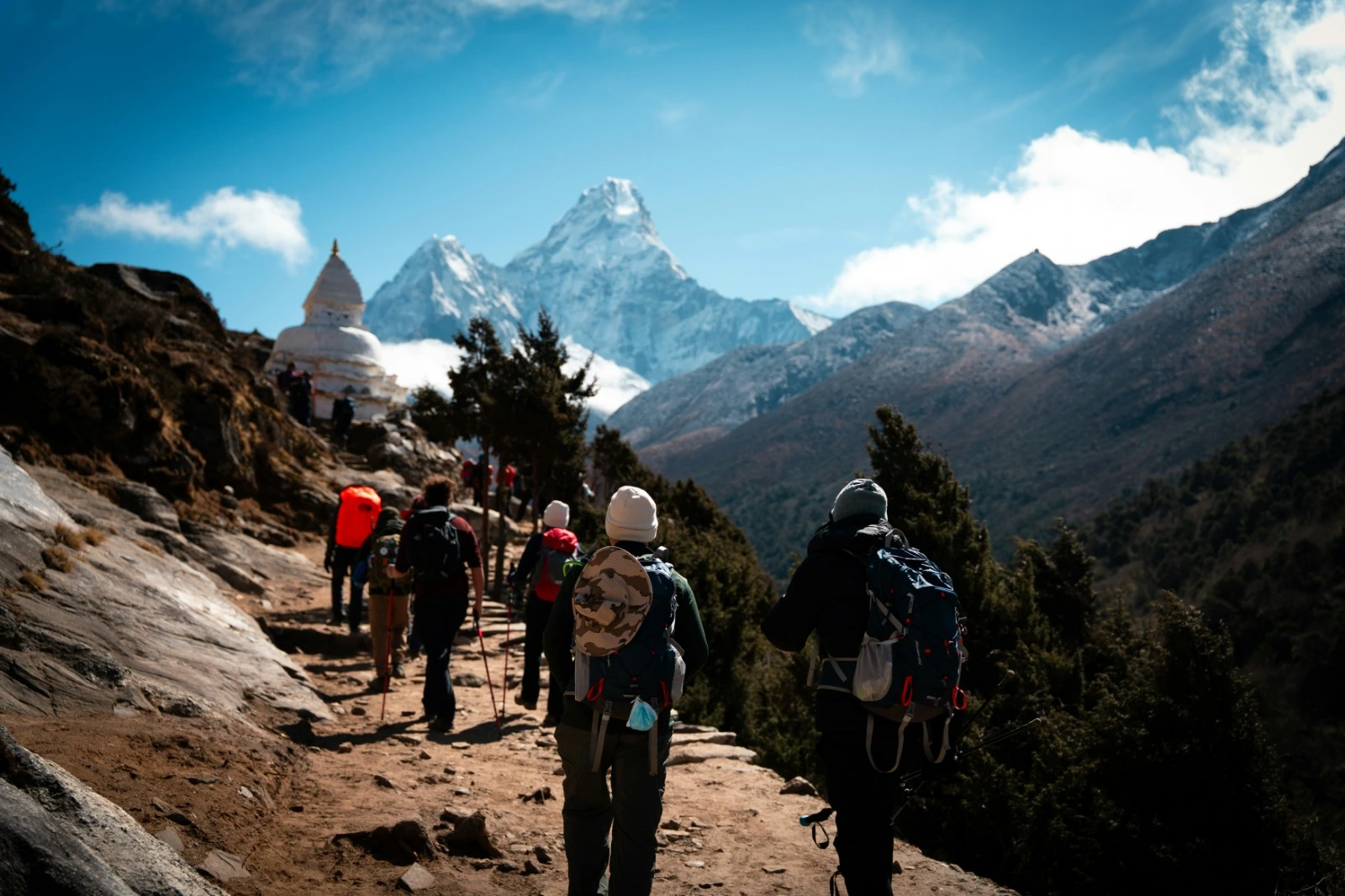
Nepal is not only for experienced trekkers with weeks to spare and altitude-hardened lungs. A significant portion of the country’s trekking routes are genuinely accessible to families with children, older travellers, and first-time visitors who want the Himalayan experience without technical difficulty or extreme altitude. The combination of well-established teahouse infrastructure, experienced local guides, and trails that range from valley walks to moderate hill climbs means Nepal rewards families who approach it with the right itinerary.
This guide covers 12 family friendly treks available through Glacier Safari Treks for 2026, with honest notes on what makes each one suitable for families and what to expect on the ground.
What Makes a Family Friendly Trek in Nepal
Before getting into the list, it helps to understand what the criteria actually are. Family friendly in the Nepal trekking context means:
- Maximum altitude that does not create serious acclimatization risk for children or less fit adults
- Daily walking distances that are manageable for younger legs, typically four to six hours rather than eight
- Good teahouse infrastructure with reliable accommodation and food along the route
- Trails that are well-marked and do not require technical scrambling or exposed ridge walking
- Cultural interest alongside the mountain scenery, which keeps younger travellers engaged beyond the physical experience
- Accessible start points, ideally reachable by road or short flight from Kathmandu or Pokhara
Guides from Glacier Safari Treks with ten to twenty years of field experience and training to European mountain rescue standards are the practical safety net that makes family trekking in Nepal work reliably. The mountain itself does not change for a family group. The preparation, pacing, and local knowledge do.
Annapurna Balcony Trek, 7 Days
The shortest route in this list and one of the best value trekking experiences in Nepal. The Annapurna Balcony Trek passes through traditional Gurung villages on the southern Annapurna slopes, climbing through rhododendron forest to the Annapurna Balcony viewpoint with panoramic views of the Annapurna range.
Seven days is a manageable commitment for families with children. The maximum altitude keeps acclimatization risk low. The Gurung village culture along the route gives children genuine cultural context alongside the mountain scenery. Daily walking stages are moderate.
Gurung Villages to Annapurna Balcony Trek, 9 Days
The extended version of the route above adds two more days to explore deeper into the Gurung community network on the Annapurna southern slopes. The additional days reduce the daily distance pressure and allow more time in the villages that give this route its cultural distinctiveness.
The slower pace across nine days makes it more comfortable for children and less fit family members. Gurung community hospitality is a consistent highlight, with children from the villages along the route providing an experience that is genuinely memorable for younger trekkers.
View the Gurung Villages to Annapurna Balcony Trek on the GST website: gstreksnepal.com/en/package/gurung-villages-to-the-annapurna-balcony-trek/
Annapurna Ridge Trails Trek, 6 Days
At six days, this is the most compact mountain trekking experience in the GST Nepal lineup. The Annapurna Ridge Trails Trek covers the ridge terrain above Pokhara with views of the full Annapurna and Dhaulagiri ranges from accessible vantage points that do not require extreme altitude gain.
Starting from Pokhara means no domestic flight is required and the route is accessible by road. Six days is achievable for families with limited time. The ridge trail views deliver genuinely impressive mountain panoramas at altitudes that are comfortable for most age groups.
Langtang Valley Trek, 10 Days
The Langtang Valley is the closest major trekking destination to Kathmandu, which reduces the logistical complexity for families arriving in the capital. The valley was severely affected by the 2015 earthquake, and the rebuilt community of Langtang village is a story of resilience that provides meaningful context for older children and teenagers.
The drive from Kathmandu to the trailhead is manageable, avoiding the early morning flight dependency of Everest region treks. The valley floor walk through bamboo and rhododendron forest to Kyanjin Gompa is visually rewarding without extreme altitude. The rebuilt villages along the route are warm and welcoming to family groups.
Helambu Gosaikunda Trek, 9 Days
The Helambu region north of Kathmandu is one of Nepal’s most accessible cultural trekking areas, combining Sherpa and Tamang village culture with the high-altitude sacred lakes of Gosaikunda at 4,380 metres. The nine-day itinerary is structured to allow adequate acclimatization before reaching the lakes.
The cultural richness of Helambu village life is one of the most engaging aspects for family groups. Tamang and Sherpa communities along the route maintain traditional practices that provide genuine cultural education beyond scenery. The route is well-established with good teahouse infrastructure.
Solu Sherpa Village Trek, 10 Days
The Solu Khumbu region below the main Everest trekking corridor holds the traditional Sherpa homeland, where the culture that has shaped Himalayan mountaineering over a century is lived daily in village communities that most Everest-bound trekkers pass through without stopping. The Solu Sherpa Village Trek slows down and goes deep into this community rather than rushing through it.
Lower altitude than the main Everest approaches removes the serious acclimatization risk. The Sherpa cultural experience, monasteries, chortens, Mani walls, and community life are one of the most engaging treks for curious children. The route does not require a Lukla flight, reducing the weather-delay risk that affects Everest region logistics.
Lower Everest Region Trek, 9 Days
For families who want the Everest experience without committing to the full two-week Base Camp itinerary, the Lower Everest Region Trek covers the lower Khumbu valley with views of the Everest massif, Ama Dablam, and the surrounding peaks without reaching the altitudes that make Base Camp physically demanding.
Nine days is a manageable family commitment. The lower Khumbu has excellent teahouse infrastructure from decades of trekking activity. Namche Bazaar, the main trading hub of the Sherpa world, is a destination in itself that provides cultural engagement alongside mountain views.
Annapurna Gurung Trail Treks, 8 Days
The Gurung Trail covers the traditional community territories of the Gurung people on the Annapurna foothills, passing through villages where the culture of one of Nepal’s most distinctive ethnic groups is experienced directly rather than observed from a distance. Eight days keep the itinerary accessible for families with school-age children.
Gurung culture is particularly engaging for children, with community activities, traditional architecture, and village life that provides genuine cultural immersion rather than a passing glimpse. The moderate altitude keeps the physical demands appropriate for mixed-fitness family groups.
Kali Gandaki Trek, 11 Days
The Kali Gandaki Gorge is the world’s deepest river valley and the traditional trade route between Nepal and Tibet. The trek follows the gorge through the Thakali culture zone, past apple orchards, ancient monasteries, and the dramatic landscape where the Annapurna and Dhaulagiri ranges rise on either side of the river.
The gorge terrain is well-graded compared to the steep ascent routes of higher Everest or Annapurna treks. The cultural diversity along the routes has Thakali, Tibetan, and Hindu traditions all present within a few days’ walk of each other, providing a culturally rich experience for family groups. Marpha’s apple orchards and village architecture are reliably engaging for children.
Annapurna Sanctuary Trek, 11 Days
The Sanctuary is one of Nepal’s most visually dramatic destinations, an enclosed high-altitude basin surrounded by the peaks of the Annapurna massif. The approach through the Modi Khola gorge passes through dense rhododendron forest, making it the most visually spectacular route in the spring season when the bloom is at its peak.
The teahouse infrastructure on the Sanctuary route is among the best in Nepal, making the logistics reliable for family groups. The enclosed amphitheatre of the Sanctuary itself, surrounded by 7,000 and 8,000-metre peaks, is one of the most memorable visual experiences available on any Himalayan trek. For teenagers and older children, the combination of physical challenge and extraordinary scenery makes this one of the most talked-about family trekking experiences in Nepal.
Langtang Gosaikund Trek, 13 Days
The full Langtang Gosaikund itinerary combines the valley approach with the sacred lakes circuit, providing a more complete experience of the Langtang region than the valley trek alone. The 13-day duration allows unhurried movement and proper acclimatization before reaching Gosaikunda at 4,380 metres.
The extended duration reduces daily distance pressure and allows rest days that family groups benefit from. The sacred lakes of Gosaikunda are spiritually significant to both Hindu and Buddhist traditions, providing cultural context that adds depth to the physical journey. GST guides from this region bring personal knowledge of the communities along the route.
Tsum Valley and Ganesh Himal Base Camp Trek, 11 Days
The Tsum Valley is a Tibetan Buddhist enclave north of the Manaslu range where traditional cultural practices have been maintained with unusual continuity. The addition of the Ganesh Himal Base Camp to the itinerary provides a high-altitude mountain objective alongside the cultural experience of the valley communities.
Why it suits families: The cultural immersion on this route is among the most complete in Nepal’s trekking circuit. Ancient monasteries, traditional village life, and a landscape that has not been significantly altered by tourism infrastructure give older children and teenagers a trekking experience that is genuinely different from the more established routes. The 11-day duration is manageable, and the restricted area status keeps the trail quiet.
Family Trekking in Nepal: What to Know Before You Go
Children and Altitude
Children are not more susceptible to altitude sickness than adults, but they are less able to communicate early symptoms accurately. Headache, mild nausea, and fatigue are the early signs, and in a child these can be masked by general tiredness from a long day of walking. A GST guide experienced with family groups knows how to monitor children for altitude symptoms and how to adjust pace and itinerary accordingly.
As a general guideline, treks that keep maximum altitude below 3,500 metres are appropriate for most healthy children without altitude-specific concern. Routes reaching 4,000 metres and above require more attention and should be discussed with the GST team before booking with younger children.
Pace and Daily Distance
Family trekking in Nepal works best when the daily schedule is built around the group’s actual pace rather than an average. GST guides manage this naturally, adjusting the itinerary’s daily distances and rest stops to keep the family comfortable without falling behind the overall programme.
The standard recommendation for family groups with children under twelve is four to five hours of walking per day as the upper limit. Most of the routes on this list fall within that range on their moderate days.
What Children Remember
The mountain views are impressive, but they are not what children consistently cite as the highlight of a Nepal trek. The interactions with local children in the villages, the yaks encountered on the trail, the tea house experience of eating dal bhat at a shared table with trekkers from different countries, and the sense of physical achievement at the end of each day are the memories that last. Nepal’s trekking culture is inherently social, and children engage with it in a way that makes trekking here particularly rewarding for family groups.
Ask Our Team Directly
Every family group is different. A family with teenagers who have hiked in the Alps is in a different position from one with an eight-year-old completing their first multi-day walk. The right route, the right duration, and the right pace depend on the specific people in the group.
The GST team in Kathmandu has years of experience matching families to the right itinerary. Ask our team directly before committing to a route to get specific advice on what is realistic, what to prepare, and how to get the most out of Nepal with your family. Contact us at gstreksnepal.com or reach out directly to the team.