

Table of Contents
Trekking in Nepal with children isn’t the compromise it might sound like. Some of the country’s most rewarding routes are also its gentlest: low-altitude, village-to-village treks with real Himalayan views and genuine cultural immersion, all without the demands of a high-altitude expedition. For French families planning a trip to Nepal, a handful of routes stand out as genuinely well suited to kids, whether they’re seasoned little hikers or trying trekking for the first time.
Here’s a guide to the easiest, most family-friendly treks in Nepal, what makes each one work for children, and what French families specifically should know before setting off.
Quick Insights: Trekking in Nepal with Kids
- Best for young children: Kathmandu Valley Trek offers low-altitude walking, cultural sites, and flexible daily hiking distances.
- Best near Kathmandu: The Helambu Circuit combines village experiences, mountain views, and relatively accessible trekking.
- Best classic family trek: Ghorepani Poon Hill offers Himalayan sunrise views, Gurung and Magar villages, and a rewarding family adventure.
- Best short option: Annapurna Ridge Trek is a good choice for families wanting mountain scenery without a long trekking commitment.
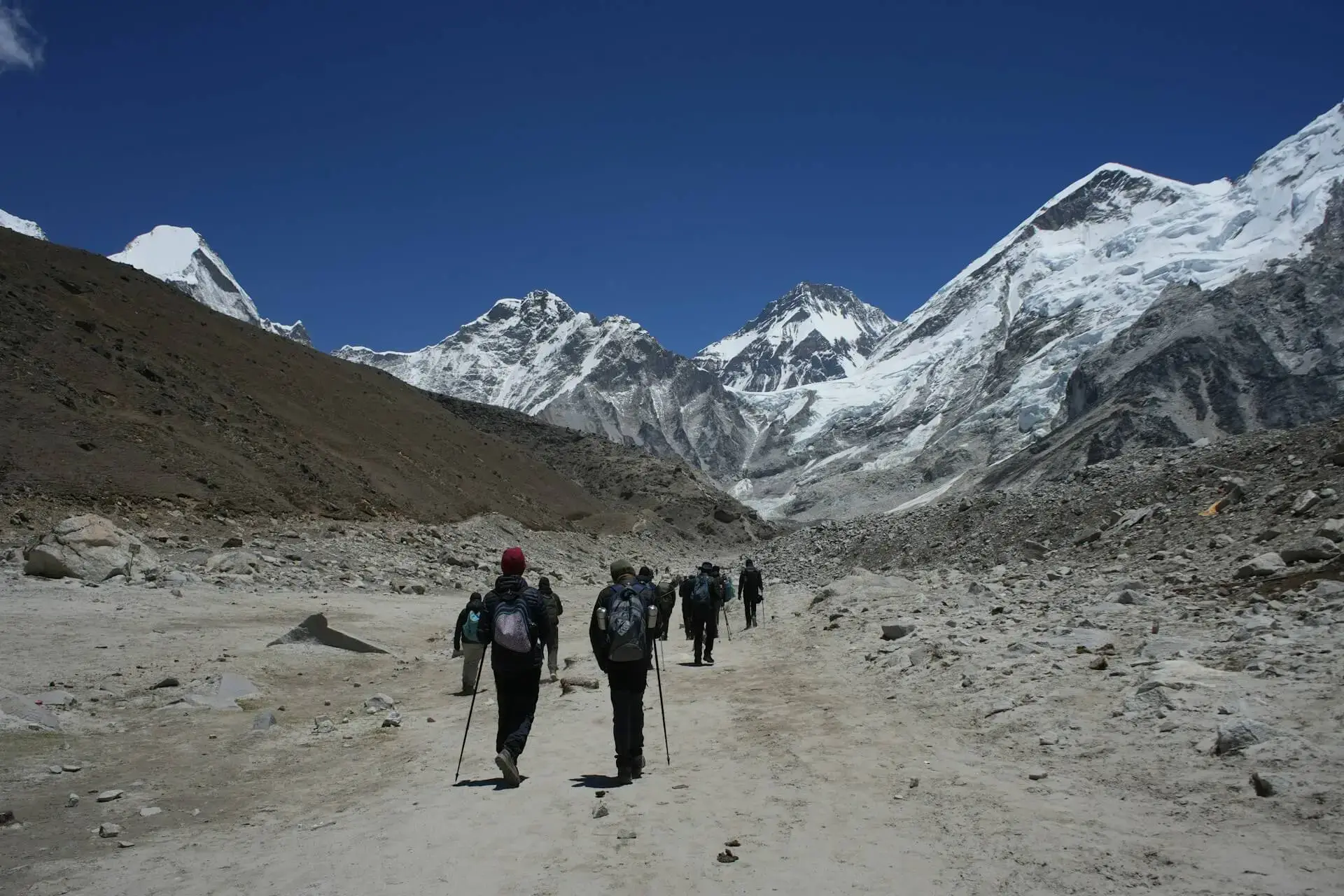
- Best for Everest views: The Lower Everest Region Trek provides Sherpa culture and iconic Himalayan scenery without trekking all the way to Everest Base Camp.
- Family trekking tips: Choose manageable daily distances, pack layers, bring familiar snacks, build buffer days, and select appropriate travel insurance and experienced trekking support.
What Makes a Trek Genuinely Kid-Friendly
Before getting into specific routes, it helps to know what actually matters when trekking with children, since it’s not quite the same checklist adults use for themselves.
- Low altitude matters more than distance. Altitude sickness risk increases significantly above certain elevations, and children can be harder to read for early symptoms than adults, so routes that stay at lower elevation reduce this risk considerably.
- Shorter daily walking times. Children tire differently than adults, often needing more frequent breaks and shorter overall walking days to stay genuinely enjoyable rather than exhausting.
- Comfortable teahouse accommodation. Routes with well-established villages and reliable teahouses make a real difference for families, since consistent food, warm rooms, and predictable stops matter more with kids along.
- Flexibility in pacing. A trek that can be adjusted day to day, slowing down or shortening a stage if needed, suits families far better than a rigid, fixed itinerary.
- Genuine points of interest along the way. Waterfalls, suspension bridges, monasteries, and village life all help keep children engaged in a way that pure mountain scenery alone might not for younger trekkers.
Kathmandu Valley Trek
Why it works for families: This 5-day route stays entirely within the hills surrounding the Kathmandu Valley, at low elevation throughout, with daily walking times ranging from a gentle 2.5 hours to a longer but still manageable 6 hours.
What makes it great for kids specifically: The route passes through Boudhanath, Nagarkot, Dhulikhel, and the monastic town of Namobuddha, giving children genuine cultural landmarks to break up the walking, along with sunrise views over the Himalayas that even younger trekkers find memorable. Its low elevation means no altitude concerns at all, and its short overall length makes it an excellent introduction if this is your family’s first trek in Nepal.
View the Kathmandu Valley Tour package
Helambu Circuit Trek
Why it works for families: Starting just north of Kathmandu, this trek stays at relatively low altitude throughout, without the significant ascent challenges of longer, higher routes, while still delivering genuine high-altitude mountain views.
What makes it great for kids specifically: The route moves through Sherpa and Tamang villages with views toward the Langtang range, giving children an authentic sense of mountain village life without demanding technical difficulty or serious altitude adjustment. Its proximity to Kathmandu also means shorter transfer times to and from the trailhead, which matters when traveling with younger children who tire of long vehicle journeys.
Read more about the Helambu Circuit Trek
Ghorepani Poon Hill Trek (Annapurna Balcony Trek)
Why it works for families: This 7-day route builds toward the famous Poon Hill sunrise viewpoint at 3,210 metres, high enough for a spectacular panorama without requiring technical skill or serious high-altitude acclimatization.
What makes it great for kids specifically: The trail passes through Gurung and Magar villages, including Ghandruk, the largest Gurung settlement in Nepal, giving children a genuine window into local culture along the way. The sunrise hike itself tends to be a real highlight for kids, since reaching a viewpoint together as a family creates a natural sense of achievement that’s easy for children to understand and feel proud of.
View the Annapurna Balcony Trek package
Annapurna Ridge Trek
Why it works for families: At just 6 days, this is one of the shorter options available, working through scenic ridgelines with genuine mountain views without demanding a long time commitment.
What makes it great for kids specifically: Available in both eco-friendly and deluxe categories, families can choose based on what suits their children best, a deluxe option with private vehicle transfers can meaningfully reduce fatigue for younger kids, while the eco option suits families wanting a simpler, more budget-conscious trip. This flexibility makes it easy to tailor the experience to your specific family’s needs.
View the Annapurna Ridge Trek package
Lower Everest Region Trek
Why it works for families: This 9-day route gets families into the Everest region’s genuinely iconic scenery and Sherpa culture while staying below 4,000 metres, avoiding the altitude risk that comes with pushing all the way to Base Camp.
What makes it great for kids specifically: For families specifically wanting a taste of the Everest region without the demands of the full Base Camp trek, this route follows a relatively easy trail connecting village to village, taking in Namche, Khumjung, and Tengboche Monastery. Children get to see Everest, Ama Dablam, and Lhotse without the multi-week commitment or serious altitude adjustment the full trek requires.
View the Lower Everest Region Trek package
What French Families Should Know Before Trekking in Nepal
A few practical points specifically relevant to French families planning a trip.
- Visa requirements apply to children too. Children traveling on French passports need their own valid travel documents and visa arrangements, just as adults do. It’s worth reviewing Nepal’s visa requirements for French citizens well ahead of your trip.
- A licensed guide is required for trekking in Nepal, and this is especially valuable with children, since an experienced guide can read pacing, altitude comfort, and fatigue far better than parents managing this for the first time in an unfamiliar environment.
- Travel insurance should specifically cover your planned altitude and activities. Standard European travel insurance doesn’t always include trekking, so confirm your policy covers the specific elevations and activities your family’s itinerary involves.
- Pack layers rather than heavy single items for kids. Temperature swings between day and night in the hills can be significant, and layering allows for quicker adjustments with children than trying to manage one heavy jacket.
- Build in buffer days. Families move at a different pace than solo trekkers or couples, and having flexibility in your itinerary reduces pressure if a child needs an easier day.
- French is not spoken on the trail, though English is common in tourist areas and among guides. If language is a concern for younger children, having a guide comfortable communicating clearly in simple terms helps considerably.
Tips for a Smooth Family Trek
A few practical habits that make a real difference when trekking with kids specifically:
- Start with a shorter route if this is your family’s first trek. The Kathmandu Valley Trek or Helambu Circuit are excellent low-commitment introductions before considering something longer.
- Involve children in simple daily goals, like reaching the next village or viewpoint, rather than framing the day around total distance, which means little to younger trekkers.
- Bring familiar snacks from home alongside local food, since a familiar treat can make a real difference on a harder day.
- Keep early acclimatization gentle, even on low-altitude routes, giving children a day or two to adjust to walking and village life before pushing longer days.
- Choose accommodation with families in mind. Our guides can help identify teahouses along each route that are particularly well suited to families traveling with children.
FAQs
1. What is the easiest trek in Nepal for a family with young children?
The Kathmandu Valley Trek is generally the gentlest option, staying at low altitude throughout with manageable daily walking times, while still offering genuine cultural landmarks and Himalayan views.
2. Is altitude sickness a real concern for children trekking in Nepal?
It can be, particularly on higher routes, which is why the treks recommended here stay at lower elevations. A licensed guide experienced with family groups can help monitor for early signs and adjust pacing accordingly.
3. Do children need their own visa to trek in Nepal?
Yes. Children traveling on French passports need their own valid travel documents and visa arrangements, separate from their parents’ paperwork.
4. How many days should a family plan for their first trek in Nepal?
Starting with a shorter route, such as the 5-day Kathmandu Valley Trek or 6-day Annapurna Ridge Trek, gives families a manageable introduction before considering longer routes on a future trip.
5. Can trek itineraries be adjusted for a family’s pace?
Yes. Our guides regularly adjust pacing and daily distances for family groups, and several of these routes are available in both simpler and more comfortable formats depending on your family’s needs.
Ready to plan your family’s first trek in Nepal? Reach out to our team to build an itinerary that fits your children’s ages, fitness, and your family’s travel goals.