

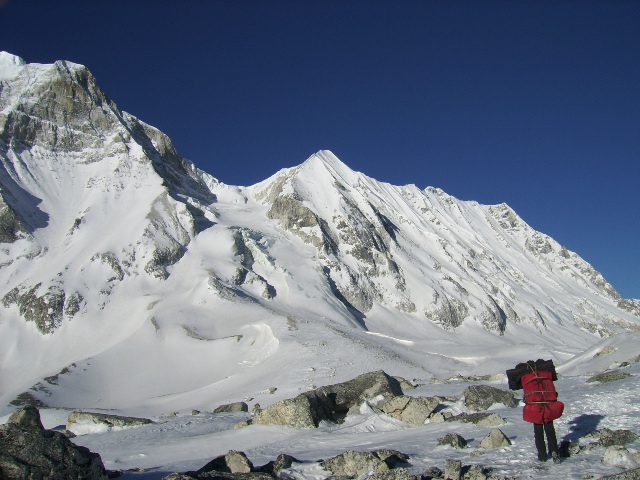
The Himalayas hold valleys that exist outside conventional trekking circuits. These places remain isolated not through geographic accident but through deliberate preservation of ancient ways. The Tsum Valley trek occupies such a space in the Gorkha district of Nepal, pressed against the Tibetan border where trade routes once carried salt and grain between kingdoms.
The valley operates under restricted area status requiring special permits beyond standard trekking documentation. Glacier Safari Treks operates scheduled departures into Tsum Valley with permits secured months in advance.
Understanding Restricted Area Regulations
Nepal designates certain regions as restricted areas requiring special permits beyond standard TIMS cards and national park entries. Tsum Valley falls under this classification alongside Upper Mustang, Manaslu circuit sections, and areas near sensitive borders. The restrictions aim to preserve cultural integrity, control environmental impact, and maintain security in regions with disputed territorial claims or active separatist movements.
Tsum Valley permits cost $35 to $50 per person per week depending on season and group size. The permits specify exact entry and exit dates with penalties for overstaying. Trekkers must travel with registered guide companies. Solo independent trekking is prohibited in restricted areas. This requirement ensures environmental regulations are followed and emergency support exists for medical or weather-related incidents.
Permit processing takes 2 to 4 weeks through proper channels. Applications require passport copies, trekking insurance documentation, and detailed itineraries. The Nepal Tourism Board reviews applications verifying guide company registration and insurance coverage. Local village development committees receive notification of approved treks allowing communities to prepare for visitor arrivals.
The restricted status paradoxically benefits visitors by limiting crowds. Popular treks like Everest Base Camp see thousands weekly during peak seasons. Tsum Valley permits allow approximately 1000 visitors annually. This controlled access prevents trail degradation, maintains monastery sanctity, and preserves the cultural authenticity trekkers seek. The bureaucracy serves preservation rather than mere revenue generation.
The Buddhist Cultural Landscape
Tsum Valley Buddhism follows Tibetan Mahayana traditions mixed with Bon practices predating organized Buddhist doctrine. Red-robed monks maintain daily prayer schedules at Mu Gompa, Rachen Gompa, and smaller village monasteries scattered throughout the valley. These institutions operate as community centers, schools, and spiritual anchors. Monks teach children traditional Tibetan script, Buddhist philosophy, and cultural practices that urban migration threatens elsewhere in Nepal.
Prayer flags connect ridgelines and bridges, their wind-distributed blessings accumulating merit for those who place them. Mani walls built from carved stone slabs stretch for kilometers along main trails. These walls contain the mantra Om Mani Padme Hum repeated millions of times across thousands of stones. Pilgrims circle the walls clockwise accumulating spiritual merit through the physical act of circumambulation combined with mantra recitation.
Chortens mark trail junctions, village entrances, and spiritually significant locations. These white-washed stupas contain relics or sacred texts. The architectural style follows Tibetan patterns with square bases, rounded domes, and conical spires. Fresh white paint application and gold leaf detailing indicate active spiritual maintenance rather than historical artifacts.
Sky burial traditions persist in upper valley areas where frozen ground prevents conventional burial and timber scarcity makes cremation impractical. The practice reflects Buddhist concepts of impermanence and the body as a temporary vessel for consciousness. Outsider observation of these ceremonies is strictly prohibited. Respect for sacred spaces requires following local guidance about photography restrictions and appropriate behavior near religious sites.
Polyandry, while declining, shaped valley social structures for generations. Brothers sharing a wife prevented land division across multiple family lines. This practice maintained viable agricultural holdings in a region where arable land covers perhaps 5 percent of total area. Modern education and labor migration erode traditional marriage patterns but remnants appear in family structures of older generations.
Key Monasteries Along the Trek Route
Mu Gompa sits at 3700 meters near the valley’s upper reaches. The monastery houses approximately 40 monks ranging from young novices to elderly teachers who’ve spent entire lives in contemplative practice. Morning puja ceremonies begin at 5 AM with horn blowing, cymbal crashing, and chanted liturgy echoing through wooden halls. Visitors may observe ceremonies from designated areas if dressed modestly and remaining silent throughout rituals.
The monastery library contains texts printed on traditional woodblocks, palm leaf manuscripts, and newer volumes from Indian publishing houses. Some texts date to the monastery’s 1850 founding. The collection includes Buddhist sutras, tantric practice manuals, and medical texts based on Tibetan healing traditions. A resident scholar monk maintains the collection though funding limitations prevent professional conservation of deteriorating manuscripts.
Rachen Nunnery provides spiritual homes for approximately 60 nuns pursuing Buddhist studies and practice. The institution operates independently from male monastery hierarchies allowing women to achieve teaching positions and leadership roles often denied in stricter Tibetan Buddhist traditions. Daily schedules mirror monk routines with meditation sessions, study periods, and manual labor maintaining monastery facilities.
The nuns sustain themselves through small agriculture plots, donations from valley families, and income from trekker visits. They sell handcrafted items including prayer flags, incense, and woven textiles. These sales provide cash income in an economy operating primarily through barter and subsistence agriculture. Visitors directly support nunnery operations through purchases and donations given during monastery visits.
Smaller village gompas in Chhokangparo, Chumling, and Nile serve local populations. These modest structures lack the architectural grandeur of larger monasteries but maintain crucial spiritual roles. Village monks perform birth blessings, marriage ceremonies, death rites, and seasonal agricultural blessings linking Buddhist practice to daily life rhythms. These institutions face challenges as younger generations pursue education and employment outside the valley.
Why Tsum Valley Remains Culturally Intact
1. Geographic Isolation
Geographic isolation protected Tsum Valley from external influences that transformed accessible regions. The valley entrance requires crossing the Budhi Gandaki River through gorges that flood during monsoon and threaten travelers during winter. No road construction plans exist due to engineering difficulties and community opposition fearing cultural disruption from vehicle access.
2. Restricted Area Designation
The restricted area designation implemented after decades of complete closure created regulatory protection. Government officials recognize the valley’s cultural uniqueness and tourist potential. Allowing uncontrolled access would destroy the attributes making Tsum Valley attractive to cultural tourism. The permit system generates sustainable revenue while limiting impact.
3. Community Leadership
Community leadership maintains strong positions against developments threatening traditional ways. Village committees must approve new construction including lodges and teahouses. This local control prevents outside investors from building large facilities that would alter valley economics and social structures. Family-run teahouses keep tourism income within communities rather than extracting wealth to urban centers.
4. Religion
Religious devotion discourages practices common in other regions. The valley maintains strict livestock slaughter prohibitions. Meat available in teahouses arrives preserved from lower regions or consists of dried yak meat from Tibetan trade. This religious commitment to non-violence extends to wildlife with locals tolerating crop damage from animals rather than implementing lethal control measures.
5. Selective Tourism
Tourism remains controlled and selective. Trekkers visiting Tsum Valley typically seek cultural experiences rather than peak-bagging objectives. This self-selection produces visitors respecting local customs and supporting preservation efforts. The tourism model emphasizes small groups, longer stays, and meaningful cultural exchange over volume-based mass tourism.
Trek Logistics and Seasonal Considerations
The route begins in Soti Khola or Machha Khola accessing the Budhi Gandaki Valley. Trekkers follow the river north through terraced fields and subtropical forests before reaching the valley entrance at Lokpa.
Spring and autumn provide optimal conditions. March through May offers warming temperatures, blooming rhododendrons, and stable weather before monsoon arrives. September through November delivers clear skies, excellent visibility, and comfortable temperatures. Winter treks from December through February face cold temperatures, potential snow blocking high passes, and reduced teahouse services. Summer monsoon from June through August brings leeches, muddy trails, and clouded mountain views.
Acclimatization requires careful planning. The trek gains altitude gradually but reaches 3700 meters at Mu Gompa. Spending multiple nights at intermediate elevations prevents altitude sickness. Descending to lower camps at first symptoms prevents serious complications. The itinerary includes rest days allowing body adaptation to reduced oxygen levels.
Teahouse accommodation provides beds and meals at family-run lodges. Facilities remain basic with squat toilets, cold water washing, and communal dining areas. Expect shared rooms with thin mattresses and limited heating. Sleeping bags rated to negative 10 degrees Celsius suit spring and autumn conditions. Winter requires negative 20-degree bags.
Food options include dal bhat, Tibetan bread, noodle soups, and momos. Fresh vegetables arrive from lower regions via porter networks. Meat availability varies by location and season. The food provides adequate nutrition but lacks variety compared to main trekking routes. Bring supplemental snacks including energy bars, nuts, and chocolate.
Why Tsum Valley Deserves Your Next Trek
1. Authentic Cultural Immersion
The valley offers genuine interactions with communities maintaining centuries-old traditions. Daily life unfolds around visitors rather than being staged for tourist consumption. Monastery visits provide insight into living Buddhist practice rather than museum displays of past customs.
2. Uncrowded Trails
The restricted permit system ensures you’ll encounter few other trekkers. This solitude allows contemplative experiences impossible on crowded routes where you’re never out of sight of other groups. The quietness suits those seeking meditation and reflection in mountain environments.
3. Unique Architectural Heritage
Monastery complexes showcase Tibetan Buddhist architecture adapted to Himalayan conditions. The buildings use local stone, timber, and earth with construction techniques passed through generations. Intricate woodcarvings, painted murals, and metalwork demonstrate artistic traditions surviving in functional contexts.
4. Linguistic and Ethnic Diversity
The valley population speaks Tsum language, a Tibetan dialect distinct from standard Nepali. This linguistic uniqueness reflects cultural separation from mainstream Nepali society. Learning basic phrases shows respect and facilitates deeper connections with local people.
5. Environmental Conservation Success
The valley demonstrates sustainable tourism models balancing economic benefits with environmental protection. Wildlife including Himalayan tahr, blue sheep, and red pandas survive in numbers exceeding more accessible regions. The community commitment to conservation creates opportunities for wildlife observation rare in heavily trafficked areas.
Securing Permits Through Glacier Safari Treks
Glacier Safari Treks schedules three spring departures for 2026 targeting optimal weather and cultural festival timing. The March 17 departure allows participation in pre-spring planting ceremonies. The April 13 group experiences full rhododendron bloom. The April 20 trek catches valley preparations for summer livestock migration to high pastures.
Group sizes cap at 12 participants ensuring personalized attention and minimizing community impact. Each group travels with experienced guide staff familiar with valley customs, monastery protocols, and emergency procedures. The company maintains relationships with valley village committees ensuring smooth logistics and authentic cultural exchanges.
Permit applications begin before departure dates. This lead time allows processing through multiple government offices and village committee approvals. Last-minute applications face rejection or significant delays potentially requiring itinerary changes. Early commitment secures permits and allows adequate physical preparation time..
Pre-departure briefings in Kathmandu cover cultural sensitivity guidelines, monastery etiquette, photography restrictions, and environmental practices. These sessions prepare trekkers for cultural encounters ensuring respectful interactions benefiting both visitors and valley communities.