

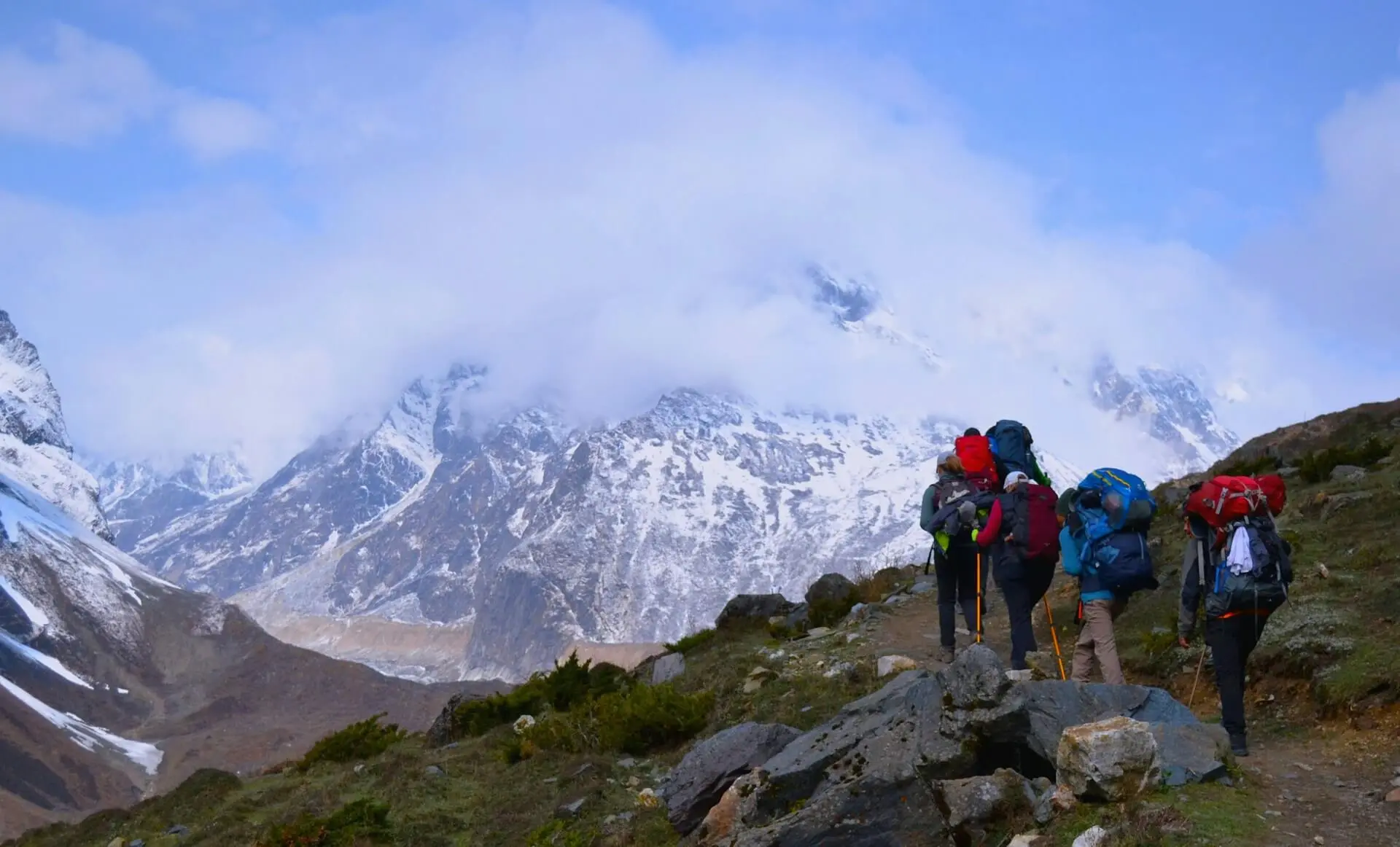
February presents unique conditions for trekking in Nepal. Winter cold persists at higher elevations while lower valleys experience mild temperatures. Proper gear selection determines comfort and safety across elevation changes from 1,000 to 5,000 meters. This guide covers essential equipment for February departures.
Understanding February Trek Weather Patterns
February marks the end of winter in Nepal’s Himalayan region. Daytime temperatures at lower elevations between 1,000 and 2,500 meters range from 10 to 18 degrees Celsius. Higher elevations above 3,500 meters experience daytime temperatures between minus 5 and 5 degrees Celsius. Nighttime temperatures drop significantly across all zones.
Precipitation remains minimal during February. The month falls within the dry season extending from October through May. Clear skies dominate most days. Occasional snowfall occurs above 3,500 meters. Wind speeds increase at exposed ridges and passes.
Humidity levels stay low throughout the month. Dry air accelerates moisture loss through respiration and perspiration. Adequate hydration becomes critical despite cold temperatures. Skin and lip protection prevents cracking from dry conditions.
Dawn temperatures reach their lowest points. Morning starts often occur in sub-zero conditions even at moderate elevations. Afternoons warm considerably creating large temperature swings within single days. This variation necessitates adaptable clothing systems.
Visibility extends for exceptional distances during February. Mountain views remain unobstructed by monsoon clouds. Photography benefits from crisp air and stable atmospheric conditions. Star visibility at night surpasses other seasons due to minimal moisture and clear skies.
Layering System Fundamentals for Feburary Trek
The three-layer system manages body temperature across varying activity levels and environmental conditions. Base layers sit against skin managing moisture. Mid layers provide insulation. Outer layers protect from wind and precipitation. Each component serves distinct functions requiring specific material properties.
- Base layers use synthetic fabrics or merino wool. Cotton retains moisture causing rapid heat loss and must be avoided. Synthetic materials dry quickly and cost less than wool. Merino wool regulates temperature effectively and resists odor during multi-day wear. Both materials work in combination across different body areas.
- Lightweight base layers suit high-exertion activities and lower elevations. Midweight versions handle moderate activity levels. Heavyweight base layers apply to rest periods and sleeping. Bringing multiple weight options allows adjustment to daily conditions and exertion levels.
- Mid layers trap air for insulation without excessive bulk. Fleece jackets provide warmth during active periods. Down jackets deliver maximum warmth relative to weight during rest stops and evening hours. Synthetic insulated jackets maintain warmth when wet making them suitable for unpredictable conditions.
- Outer layers block wind and precipitation. Hardshell jackets use waterproof-breathable membranes. Softshell jackets offer breathability for high-output activities in dry conditions. Hoods accommodate helmet use and provide head protection. Pit zips enable ventilation without removing layers.
1. Base Layer Selection
Upper body base layers require two to three shirts. One lightweight synthetic shirt handles daytime trekking. One midweight merino wool shirt provides evening warmth and serves as backup during washing cycles. Long sleeve designs protect arms from sun exposure and provide insect defense at lower elevations.
Lower body needs two base layer bottoms. Lightweight versions work during active trekking hours. Midweight options serve as sleep wear and provide warmth during sedentary evening periods. Ankle-length designs prevent gaps between pants and socks.
Underwear quantity depends on washing preferences. Three to four pairs allow rotation while hand washing and drying. Merino wool and synthetic materials dry overnight in lodge sleeping rooms. Sports bras for women need similar rotation allowances.
Thermal underwear tops and bottoms add warmth for extreme cold sensitivity. These heavyweight layers typically see use only at highest elevations or during particularly cold snaps. Packing one set covers unexpected temperature drops.
Neck gaiters or buffs serve multiple functions. They protect necks from sun, provide warmth, filter dust on dry trails, and convert to head coverings. Merino wool versions offer odor resistance during extended wear. Two gaiters allow washing rotation.
2. Mid Layer Components
Fleece jackets in midweight fabric provide core insulation. Full-zip designs enable ventilation control. Zippered pockets secure small items during movement. Fleece dries quickly when damp from exertion or light precipitation.
Down jackets serve as stationary insulation during breaks and evenings. Fill power between 600 and 800 provides adequate warmth without excessive weight. Hooded versions eliminate need for separate head insulation. Packability allows storage in backpacks during active periods.
Down vest options add core warmth without arm restriction. They layer under hardshell jackets during active trekking in cold conditions. Vests pack smaller than full jackets making them practical additions for those managing pack weight carefully.
Insulated pants or down pants protect legs during extreme cold exposure. February treks above 4,000 meters benefit from leg insulation during evening hours. These items typically stay in packs until reaching high camps.
Synthetic insulated jackets provide backup warmth that functions when wet. Climashield or PrimaLoft insulation maintains loft despite moisture exposure. This category suits trekkers prioritizing reliability over weight savings.
3. Outer Layer Protection
Hardshell jackets rated for mountaineering use withstand Himalayan conditions. Gore-Tex or equivalent membranes provide waterproof protection with breathability. Three-layer construction offers durability against pack abrasion. Adjustable hoods accommodate various head configurations.
Hardshell pants complete storm protection. Full-side zips allow donning over boots. Reinforced cuffs resist crampon damage. Articulated knees improve mobility during steep sections. Ventilation zips manage heat during climbs.
Softshell jackets handle windy conditions during dry weather. Stretch fabric permits unrestricted movement. Water-resistant coatings shed light moisture. These jackets often replace hardshells during typical February trek conditions when precipitation remains unlikely.
Softshell pants combine weather protection with comfort. Four-way stretch accommodates varied terrain. Partial side zips enable temperature regulation. These serve as primary trekking pants for many February routes.
Rain pants provide emergency backup. Lightweight packable options weigh under 200 grams. While February rarely sees rain at trekking elevations, unexpected weather changes justify minimal weight investment.
Sleeping Bag Requirements for February Trek
Temperature ratings determine sleeping bag suitability. February nights at 3,000 meters reach minus 10 degrees Celsius. Ratings of minus 15 degrees Celsius provide comfort margins. Individual cold sensitivity varies requiring personal assessment.
Down sleeping bags offer superior warmth-to-weight ratios. 800-fill down compresses into small stuff sacks. Water-resistant down treatments protect against condensation. Quality down bags last decades with proper care.
Synthetic sleeping bags cost less and maintain warmth when damp. They weigh more than equivalent down bags. Bulk increases pack size. These suit trekkers with limited budgets or concerns about down performance.
Sleeping bag liners add warmth and protect bag interiors from body oils. Silk liners add minimal weight while boosting temperature ratings by 5 degrees. Fleece liners add 10 degrees but increase bulk. Liner use extends time between sleeping bag washing.
Compression stuff sacks reduce sleeping bag volume. Waterproof stuff sacks protect against pack exterior moisture. Storing bags loosely at home maintains loft between trips. Never store compresses for extended periods.
Footwear for February Treks
Trekking boots provide ankle support and protection on uneven terrain. Full-grain leather or synthetic uppers offer durability. Gore-Tex lining maintains dry interiors during stream crossings. Vibram soles deliver traction on varied surfaces.
Breaking in boots before departure prevents blisters. New boots need 50 kilometers of wear to conform to foot shapes. Training hikes identify pressure points allowing adjustment before commitment to multi-day treks.
Boot fit requires careful assessment. Toes should not touch the front when descending. Heels must not lift during normal walking. Width accommodates thicker socks without compression. Trying boots late in the day accounts for foot swelling.
Camp shoes provide relief after removing boots. Lightweight running shoes or approach shoes work well. Down booties offer warmth in cold lodges. Sandals suit lower elevation lodges with warmer evening temperatures.
Gaiters prevent snow and debris from entering boots. They protect lower pants from mud and moisture. Lightweight models suffice for February trek conditions when deep snow remains uncommon on standard trekking routes.
Sock Selection
Wool or synthetic trekking socks prevent blisters through moisture management. Medium to heavyweight thickness provides cushioning. Seamless toe construction eliminates friction points. Specific left and right foot designs improve fit.
Four to five pairs allow daily changes. Hand washing in lodges requires overnight drying time. Rotating socks maintains foot hygiene and comfort. Carrying one pair in addition to those being worn ensures dry options.
Liner socks reduce friction between feet and outer socks. Thin synthetic or silk materials work well. Some trekkers prefer thick outer socks alone. Personal blister history guides liner decisions.
Sock height should exceed boot tops. This prevents rubbing where boot cuffs contact legs. Too-short socks create pressure points during extended trekking days.
Spare socks stored separately from the main pack provide emergency dry options. Sealed plastic bags protect these reserves from pack moisture intrusion.
Handwear Options
Lightweight glove liners aids in fine motor tasks. Taking photos, adjusting gear, and eating become difficult with thick gloves. Merino wool or synthetic materials maintain hand warmth during brief exposure.
Midweight gloves handle most February trekking conditions. Synthetic or wool exteriors shed moisture. Fleece or synthetic insulation provides warmth without bulk. Reinforced palms resist wear from trekking pole use.
Heavy mittens or expedition gloves cover extreme cold exposure. Down or synthetic insulation creates thick protection. These primarily see use at highest elevations or during unexpected cold weather. Most February treks below 4,500 meters rarely require this level of hand protection.
Waterproof outer shells protect gloves during wet snow exposure. They slip over insulated gloves without requiring separate glove systems. Removable shells allow washing and drying.
Glove leashes attach to jacket cuffs preventing loss. Removing gloves for tasks in windy conditions risks having them blown away. Simple cord systems cost nothing and prevent expensive replacements.
Head Protection
Warm hats cover ears completely. Fleece or wool materials provide insulation. Synthetic options dry faster when damp from perspiration. Bringing two hats allows washing rotation and provides backup.
Sun hats with brims protect faces from intense high-altitude ultraviolet exposure. Wide brims shade necks and ears. Lightweight synthetic materials dry quickly after washing. Chin straps prevent loss in wind.
Balaclavas offer maximum head and face protection. Single-layer versions suit most conditions. Heavyweight versions handle extreme cold. The versatility of wearing a hat, neck gaiter, or full face covering justifies minimal pack weight.
Headlamps illuminate evening activities and early morning starts. LED models provide bright light from small batteries. Red light modes preserve night vision. Backup batteries prevent failure during multi-day sections between resupply points.
Eye Protection
Sunglasses require 100% UV protection. Category 3 or 4 lenses suit high-altitude brightness. Wrap designs prevent peripheral light entry. Side shields add protection during snow travel.
Glacier glasses with leather side shields provide maximum protection. These become necessary above 4,000 meters during snow travel. Nose pieces need secure fit preventing slippage during active movement.
Prescription sunglasses benefit those requiring vision correction. Contact lens wearers should carry backup glasses. Dry air irritates eyes making contact lens wear uncomfortable for some individuals.
Spare sunglasses prevent trip disruption from loss or damage. Inexpensive backup pairs weigh little and provide security. Storing spares separately from primary glasses reduces simultaneous loss risk.
Cases protect glasses from scratching and impact damage. Hard cases offer maximum protection. Soft pouches reduce weight while providing adequate safety for careful packers.
Pack Selection for February Trek
Daypacks between 25 and 35 liters carry daily essentials. Porters transport main luggage between lodges on tea house treks. Daypacks contain layers, water, cameras, and personal items needed during trekking hours.
Main duffel bags hold gear transported by porters. 60 to 80 liter capacity accommodates clothing and equipment. Soft-sided bags conform to porter carrying methods. Waterproof duffel bags protect contents during unexpected precipitation.
Pack organization using stuff sacks separates gear categories. Color coding enables quick location of items. Compression sacks reduce clothing volume. Waterproof bags protect electronics and sleeping bags.
Hip belts and sternum straps distribute daypack weight. Adjustable systems accommodate different torso lengths. Padded shoulder straps prevent discomfort during long trekking days.
February Departures
Glacier Safari Treks operates three distinct February routes showcasing different aspects of Nepal’s cultural and natural diversity. Each itinerary maximizes the advantages of February’s clear weather while avoiding extreme altitude exposure during winter months.
The Gurung Villages trek explores traditional settlements in the Annapurna foothills. This seven-day route traverses elevations between a wide range of altitudes. Cultural immersion with Gurung communities provides insight into traditional lifestyles. Moderate elevation prevents extreme cold while maintaining excellent mountain views.
Solu Sherpa cultural trekking follows trails through the homeland of Sherpa people below Mount Everest. Ten days exploring valleys combine cultural discovery with mountain scenery. Ancient monasteries and traditional villages dot the route. February’s clear weather provides outstanding Everest region views without Everest Base Camp’s winter severity.
Langtang Gosaikund circuit combines valley trekking with high alpine terrain. Twelve days cover diverse ecosystems from subtropical forests to glacial landscapes. Maximum elevation at Gosaikund lakes reaches 4,380 meters. The route requires proper acclimatization and cold-weather gear covered in this packing guide.
All February treks departure include experienced guides, porter services, and tea house accommodation. Group sizes remain small ensuring personalized attention. Fixed departure dates allow solo travelers to join established groups.
Additional Essential Items for Trekking
- Water bottles or hydration systems carry 2 to 3 liters capacity. Insulated bottles prevent freezing during cold mornings. Wide-mouth designs facilitate filling and cleaning. Bottle storage inside packs keeps water from freezing.
- Water purification tablets or filters ensure safe drinking water. Lodges provide boiled water for fees. Treating water independently reduces costs and provides flexibility. Backup purification methods prevent illness from equipment failure.
- Trekking poles reduce knee strain during descents. Adjustable poles accommodate varied terrain. Shock absorption features decrease impact forces. Many trekkers use two poles for maximum stability and load distribution.
- First aid kits address minor injuries and illnesses. Blister treatment supplies prove most frequently needed. Pain relievers, bandages, and antiseptic creams cover common issues. Personal prescription medications require adequate supplies plus extras for delays.
- Toiletries in travel sizes reduce weight. Biodegradable soap suits environmental conditions. Toilet paper supplies supplement lodge provisions. Hand sanitizer maintains hygiene when washing facilities prove limited.
FAQs
1. Can I rent trekking gear in Kathmandu instead of bringing everything?
Rental shops in Thamel stock sleeping bags, down jackets, and trekking poles at reasonable daily rates. Quality varies significantly between shops. Footwear rental poses hygiene and fit concerns making boot purchases preferable.
2. How cold does it get at night during February treks?
Temperatures at 3,000 meters drop to minus 10 degrees Celsius. Lodge rooms lack heating making sleeping bags essential. Lower elevations stay warmer at 0 to 5 degrees Celsius overnight.
3. Do I need crampons or ice axes for February treks?
Standard trekking routes below 4,500 meters rarely require technical equipment. Higher passes may have ice patches where microspikes provide security. Technical climbing gear becomes necessary only for peak attempts.
4. What should I do with gear I don’t need during the trek?
Hotels in Kathmandu offer free luggage storage for trekking clients. Locked storage rooms keep bags secure during trips. This allows carrying only necessary items into the mountains.
5. Is there still time to join February departures?
February groups for Gurung Villages, Solu Sherpa, and Langtang Gosaikund still have availability. Contact us to secure your spot.