

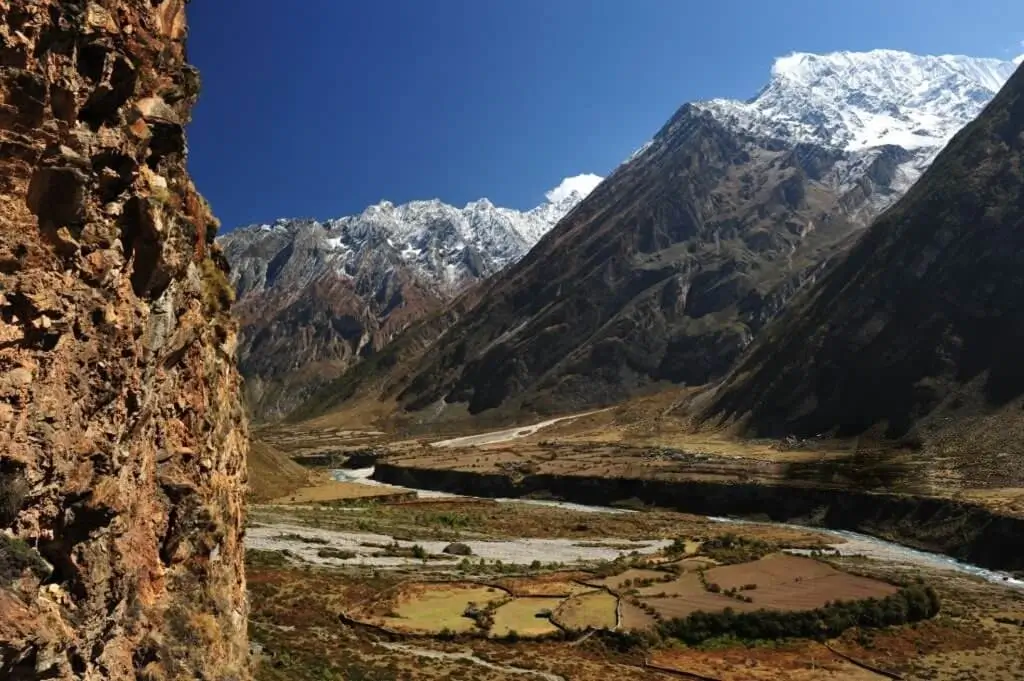
Nepal has two trekking seasons that most people know: spring and autumn. Autumn gets visibility. Spring gets the flowers. But within spring, April sits in a category of its own. March is still cold at altitude, still shaking off winter. May starts to feel the pre-monsoon build. April is the month when everything the Himalaya does best happens simultaneously.
The rhododendrons are at their peak above 2,500 metres, the weather has stabilised, the trails are warm and dry, and the cultural calendar is alive with festivals that most trekkers never plan around but never forget.
If you have been considering a spring trek in Nepal and have not committed to a specific window yet, this article will make the case for April clearly. And if you are already leaning toward April, here are the specific departures from Glacier Safari Treks that are still available and filling fast.
The Rhododendron Factor
Nepal has more than 30 rhododendron species. The country holds some of the densest rhododendron forests in Asia and in April those forests are in full colour at the elevations that most trekking routes pass through.
The bloom works in elevation bands. At lower altitudes between 1,500 and 2,500 metres, rhododendrons peak in March. The mid and upper elevation forests between 2,500 and 3,500 metres reach their peak through April. Routes that climb through multiple elevation bands in April catch the bloom at its most intense, with lower forests still showing colour as the upper forests come into full flower.
The visual effect on the right route in April is difficult to overstate. Trails that were bare brown hillside in November are tunnels of red, pink, and white. The contrast between the flower colour, the dark forest, and the white Himalayan peaks behind is the visual signature of April trekking in Nepal.
The Annapurna Sanctuary Trek and the Gurung Villages to Annapurna Balcony Trek are the strongest routes for rhododendron colour in April. Both pass through significant forest between 2,000 and 3,200 metres on the southern Annapurna slopes, where the rhododendron density is among the highest in Nepal.
The Solu Sherpa Village Trek passes through Sherpa forest country in the Khumbu foothills where rhododendrons feature strongly. The Langtang Gosaikund Trek climbs through bamboo and rhododendron forest in the Langtang Valley before reaching the high lakes, with April timing catching the mid-elevation bloom on the approach.
Stable Weather and Comfortable Temperatures
April weather in Nepal represents the sweet spot between the cold of early spring and the pre-monsoon instability of late May. The Himalayan ranges are clear in the mornings. Afternoon cloud builds in the lower valleys, as it does year-round, but clears overnight. The all-day panoramic clarity that March offers at its best is still present through most of April mornings, and the temperatures are significantly more comfortable.
At mid-elevation on most trekking routes, April daytime temperatures run between 15 and 22 degrees Celsius. Nights at altitude above 3,000 metres remain cool but are above freezing at teahouse elevations, which means sleeping bags appropriate for cool rather than genuinely cold conditions are sufficient. The heavy layering and cold morning starts that characterise March trekking are not required.
The practical effect of April temperatures is that trekking days are more enjoyable. You start in light layers, warm up within the first hour, and spend the middle of the day in comfortable conditions. Lunch stops at teahouses with mountain views are something to linger over rather than rush through to maintain warmth. The experience of being on the trail in April feels qualitatively different from March in ways that temperature numbers alone do not fully capture.
High passes that held residual winter snow in March are clear in April. Trail surfaces are dry. The mud that can affect lower elevation sections in early spring has dried out. Walking conditions are as good as they get across the full year.
For photographers, April mornings deliver exceptional light. The atmosphere is clear, the peaks are sharp, and the foreground of rhododendron colour gives mountain photography a context that the bare winter landscape cannot provide.
Festivals in April
The trekking calendar and the cultural calendar align unusually well in April. Two of Nepal’s most significant spring festivals fall within the April trekking window and both are experienced most directly from the trail or from villages along trekking routes.
Nepali New Year falls in mid-April, on the first day of Baisakh. The transition from one year to the next is marked across Nepal with street celebrations, family gatherings, and religious ceremonies at temples.
In the villages along trekking routes, particularly in the Newar communities of the Kathmandu Valley and the hill settlements on the Annapurna approaches, the new year is a community event that travellers passing through are welcomed into rather than watching from the outside.
Losar, the Tibetan New Year, falls earlier in the spring calendar but its celebrations extend into April in many Tibetan Buddhist communities. The Sherpa communities of the Khumbu, the Tibetan settlements along the Langtang Valley, and the Buddhist villages of the Tsum Valley and Mustang region celebrate with masked dances, monastery ceremonies, and community feasting that provide a window into Himalayan Buddhist culture that no museum or cultural programme can replicate.
Buddha Jayanti, the festival marking the Buddha’s birth, enlightenment, and death, falls on the full moon of Baisakh, typically in late April or May. At Boudhanath Stupa in Kathmandu and at monasteries along trekking routes in the Khumbu and Langtang regions, the festival draws the Buddhist community together in ceremonies that are visually striking and spiritually significant.
Trekking in April means these events are happening around you as you walk. Villages are more alive, monasteries are more active, and the cultural texture of the journey is richer than the quieter shoulder periods on either side.
April Departures from Glacier Safari Treks
GST runs four treks with April departures this season. All are in the active booking window now. Here is what each one offers in April specifically.
Annapurna Sanctuary Trek, 11 Days – 13 April and 20 April
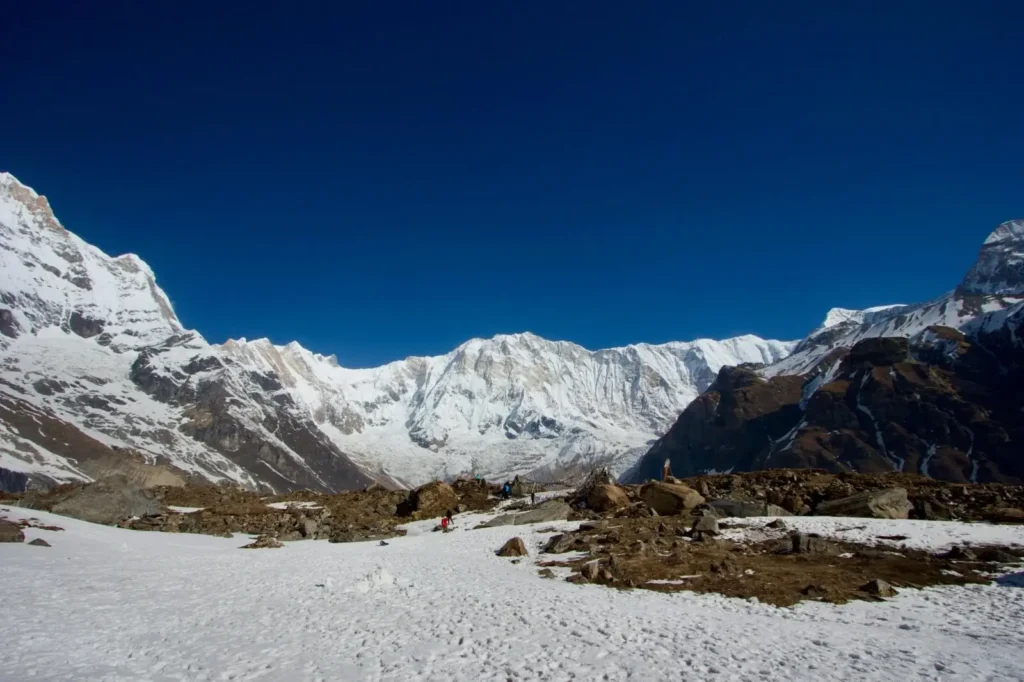
The Annapurna Sanctuary is Nepal’s most celebrated enclosed high-altitude basin, reached through the narrow Modi Khola gorge and opening into the amphitheatre formed by Annapurna I, Machapuchare, and the surrounding peaks. The approach through the gorge passes through some of the densest rhododendron forest on any Nepal trekking route.
The 13 April departure hits the upper-elevation rhododendron peak at the 2,500 to 3,200 metre section of the gorge approach. The 20 April departure is the warmest of the two, with the fullest high-elevation bloom and the most comfortable overnight temperatures at the Sanctuary itself at 4,130 metres. Both departures offer the Sanctuary’s defining experience: standing inside the ring of 7,000 and 8,000 metre peaks at dawn with no barrier between you and the surrounding Himalayan giants.
The Annapurna Sanctuary Trek is the strongest overall April trek in the GST lineup for the combination of rhododendron colour, high-altitude scenery, and cultural village experience on the approach through Chhomrong and the Modi Khola villages.
Solu Sherpa Village Trek, 10 Days – 13 April and 20 April
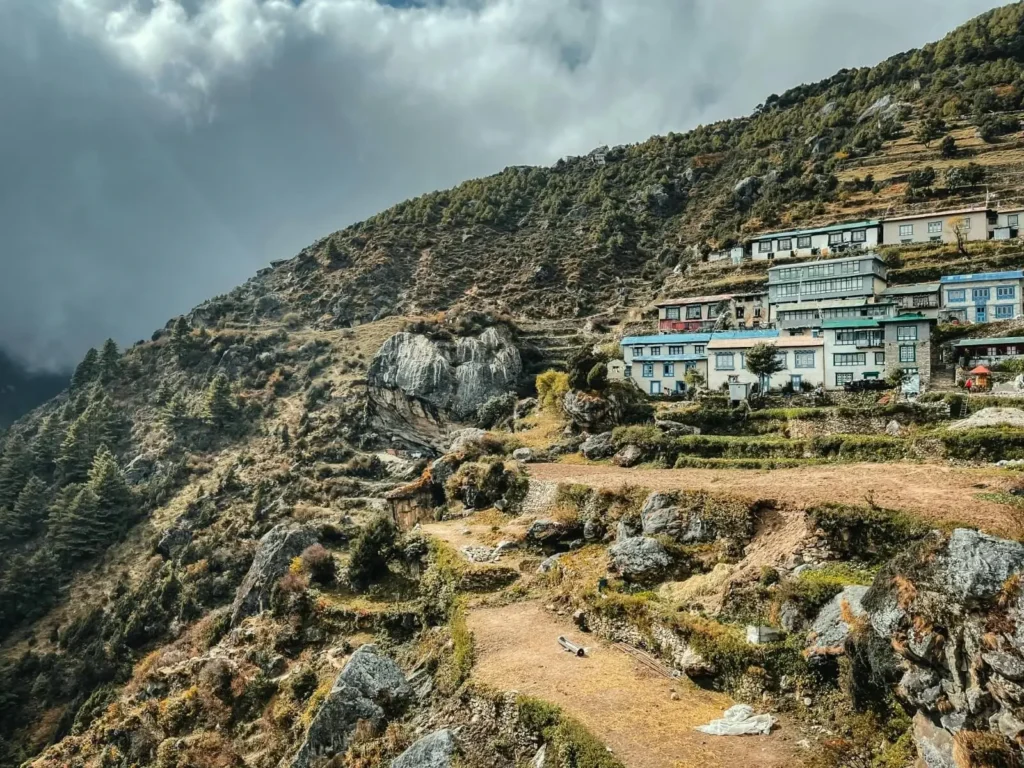
The Solu Sherpa Village Trek moves through the Sherpa heartland of the Solu Khumbu, below the main Everest trekking corridor, in terrain that most visitors to Nepal never reach. The route passes through Sherpa villages, forest sections where rhododendrons feature strongly in April, and a cultural landscape that reflects traditional Sherpa life with less of the trekking tourism infrastructure that defines the upper Khumbu.
The 13 April departure catches the mid-elevation bloom in the Solu forest sections and benefits from stable April temperatures throughout. The 20 April departure is the warmest option, with the most comfortable conditions on the lower sections of the route. Both departures offer a genuinely cultural trekking experience with the April bloom as backdrop.
Tsum Valley Trek, 10 Days – 13 April and 20 April
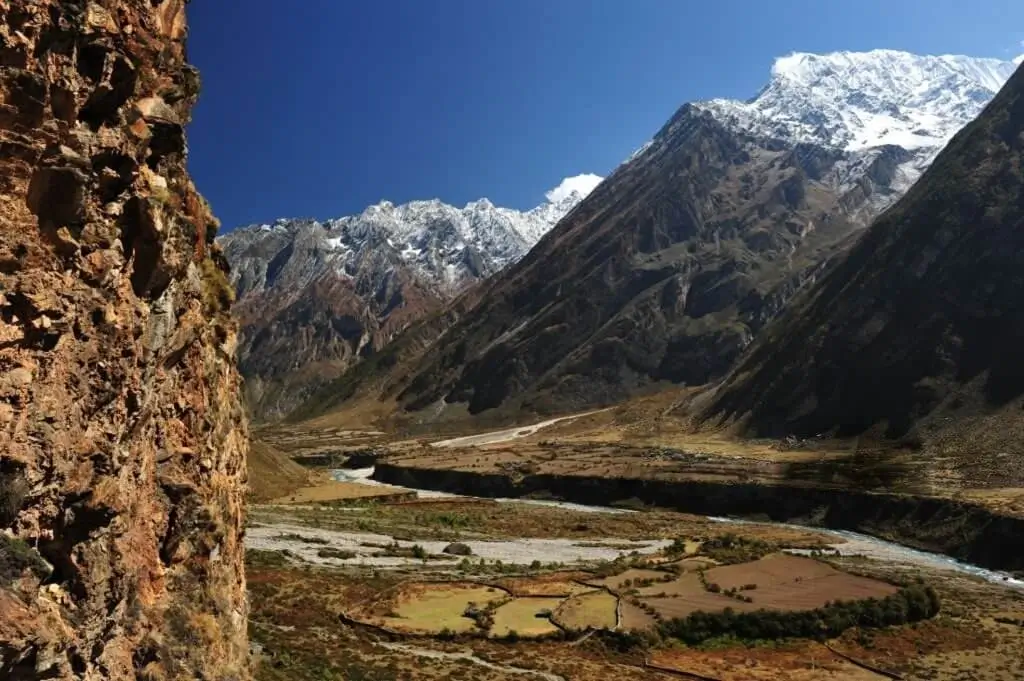
The Tsum Valley is a restricted area trek north of the Manaslu range leading into a Tibetan Buddhist enclave that remained largely isolated until relatively recently. The upper valley sits above 4,000 metres and the cultural experience, ancient monasteries, traditional village life, and Buddhist ceremonies, is unlike anything on Nepal’s more trafficked routes.
April is a strong month for Tsum Valley because the lower valley approach, which passes through forest and cultivated land, is warm and green while the upper valley maintains the cool, clear conditions that make the high-altitude sections comfortable for walking. The festival activity in the Tibetan Buddhist communities of the upper valley in April adds cultural depth to a trek that is already among Nepal’s most distinctive.
The 13 April and 20 April departures both require acclimatisation management given the altitude involved. Both are run with experienced guides who understand the valley’s specific rhythms and can navigate the permit requirements for the restricted area.
Langtang Gosaikund Trek, 13 Days – 6 April
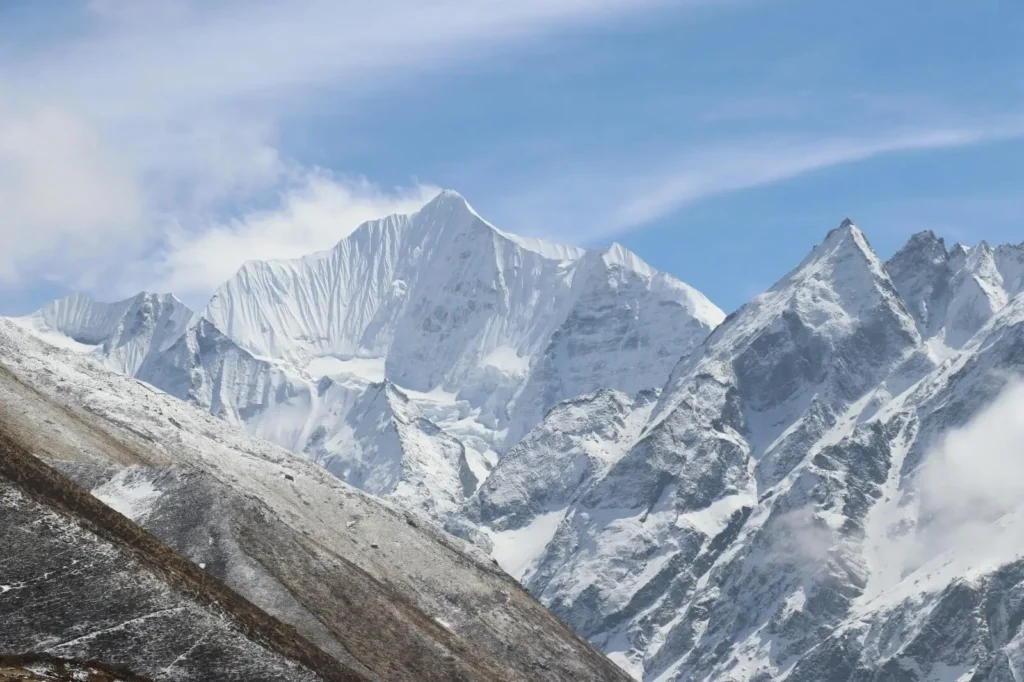
The 6 April departure on the Langtang Gosaikund Trek is the only April departure for this route this season. The itinerary combines the Langtang Valley approach, through bamboo and rhododendron forest with views of the Langtang Lirung and Gang Chhenpo peaks, with the high-altitude sacred lakes of the Gosaikund region at 4,380 metres.
The 6 April timing catches the rhododendron bloom on the mid-elevation Langtang Valley approach at close to its peak. The Gosaikund lakes, sacred to Hindu and Buddhist traditions, are clear and accessible in April with the high-altitude terrain free of winter snow. The Langtang Valley communities, rebuilt after the 2015 earthquake, are warm and welcoming and the cultural resilience of the local population is part of what makes this trek more than just a landscape journey.
This is the earliest April departure across all GST routes this season and the only window for the Langtang Gosaikund combination in April. If this is the route you want, the 6 April departure is the one to book.
April Treks Are Filling Fast
Spring is Nepal’s busiest trekking season and April is its peak. The departures above are in active booking now. The Annapurna Sanctuary Trek with its two April departure options is consistently the first to fill in the GST spring schedule. The Tsum Valley restricted area permits are issued in limited numbers and the 13 and 20 April departures are competing with permit availability as well as accommodation.
If April 2026 is when you want to be on the trail in Nepal, the window to secure your place is now. Waiting until closer to departure for a peak-season restricted-area trek is how people end up on a March or May trip instead.
Contact Glacier Safari Treks to confirm availability and begin the booking process for your April departure.
FAQs
1. Why is April considered the best month for trekking in Nepal?
2. Which GST treks have April departures available?
3. Are the rhododendrons actually in bloom in April or is that mostly a March thing?
4. How difficult are the April GST departures for someone without previous Himalayan trekking experience?
5. How do I book an April departure with Glacier Safari Treks?
For all April departures, earlier booking secures accommodation and avoids the permit availability constraints that affect restricted area routes. The GST team handles the full permit stack, guide arrangement, and logistics as part of the booking process.