

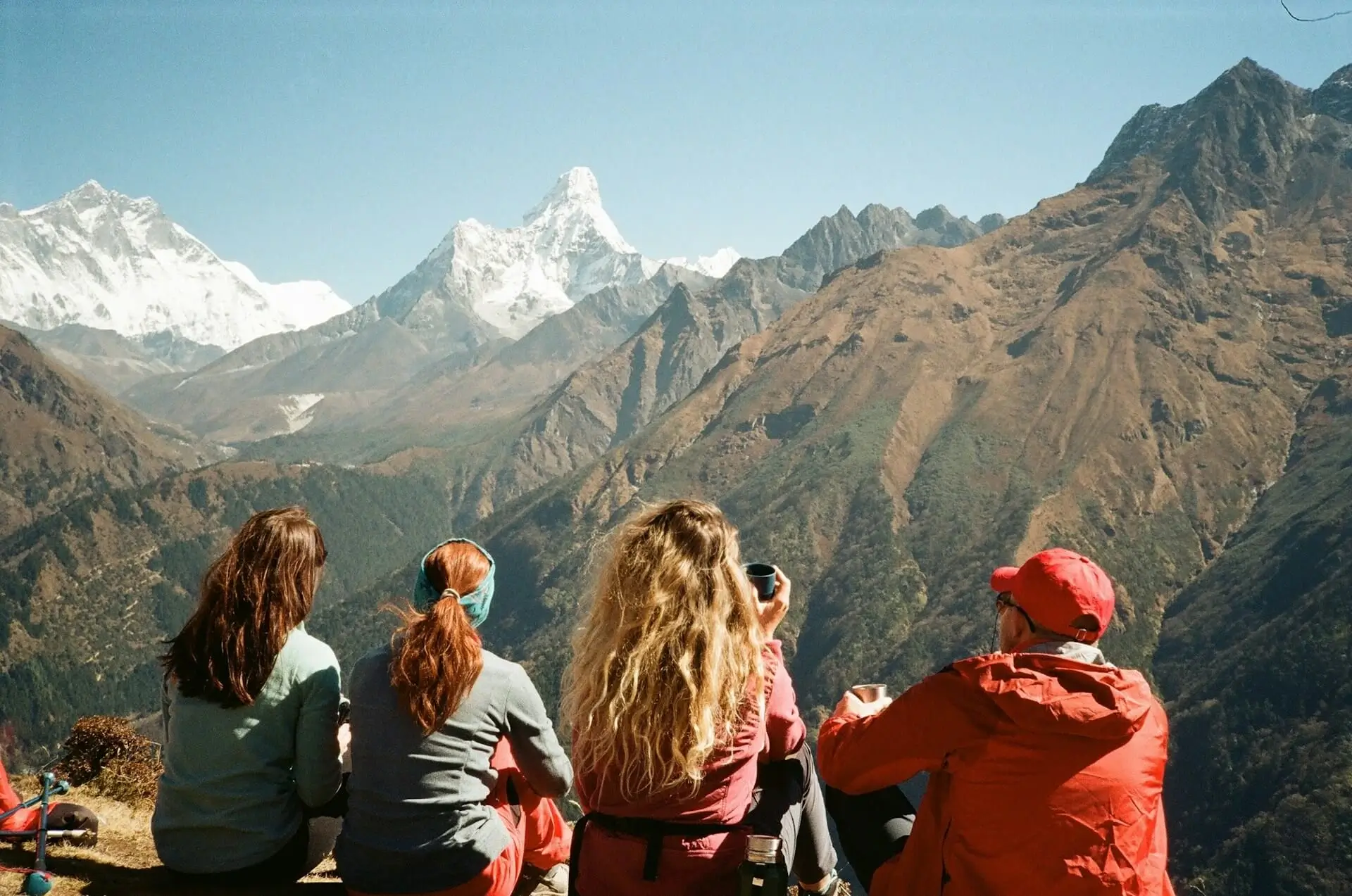
Trekking group size directly affects environmental sustainability, cultural authenticity, and local economic distribution in Nepal’s mountain regions. Small groups of four to twelve participants create fundamentally different impacts compared to large commercial expeditions exceeding twenty people. Understanding these differences guides responsible trekking choices.
Why Choose Small Group Treks in Nepal?
Environmental Impact on Trails with Small Group Treks
Large groups concentrate foot traffic creating accelerated erosion on narrow mountain paths. Repetitive pressure destroys vegetation anchoring slopes. Rainy season amplifies damage as water channels form along compacted routes.
Trail widening occurs when large groups cannot pass oncoming traffic. Participants step off paths onto adjacent vegetation avoiding congestion. Repeated widening destroys alpine plants requiring decades to regenerate. Small groups navigate trails without off-path deviation maintaining original corridor widths.
Campsites suffer degradation from large group occupation. Tent platforms flatten vegetation and compact soil. Cooking areas denude surrounding firewood sources. Sanitation facilities become overwhelmed. Small groups distribute impact across multiple smaller sites or utilize tea house accommodation reducing concentration.
Water source contamination increases with group size. Streams serving as drinking water face pollution from washing and waste disposal. Large groups strain fragile high-altitude water systems. Small groups implement leave-no-trace principles more effectively given manageable logistics.
Waste generation scales directly with participant numbers. Large expeditions produce substantial garbage requiring porter transport or improper disposal. Remote areas lack waste management infrastructure. Small groups carry out all waste feasibly. Individual accountability increases in intimate settings.
Wildlife disturbance intensifies with group size and noise levels. Large groups scare animals from traditional ranges. Endangered species including snow leopards and red pandas avoid human-heavy areas. Small groups move quietly maintaining natural behavior patterns. Wildlife viewing opportunities improve with minimal disturbance approaches.
Vegetation trampling around tea houses and campsites expands with occupancy. Large groups denude areas collecting firewood and flattening ground cover. Alpine and subalpine ecosystems recover slowly from damage. Small groups concentrate impact in already-established areas.
Small Group Treks Cultural Interaction Quality
Authentic village experiences diminish when large groups overwhelm small communities. Remote settlements contain 20 to 50 households. Groups exceeding the local population create imbalanced dynamics. Residents become service providers rather than cultural hosts. Small groups integrate naturally into village rhythms.
Language barriers reduce when guides manage fewer clients. Individual attention enables meaningful conversation about culture, traditions, and daily life. Large groups communicate minimally beyond basic logistics. Personal relationships form during small group interactions creating lasting connections.
Household tea house stays provide intimate cultural immersion. Families host trekkers in their homes sharing meals and stories. Small groups participate in family activities including cooking and farming. Large groups require dedicated lodges separating tourists from authentic domestic life.
Photography ethics improve with smaller groups. Requesting permission and respecting privacy occurs naturally in intimate settings. Large groups create spectacle encouraging intrusive photography. Local people appreciate respectful documentation over mass tourism photos.
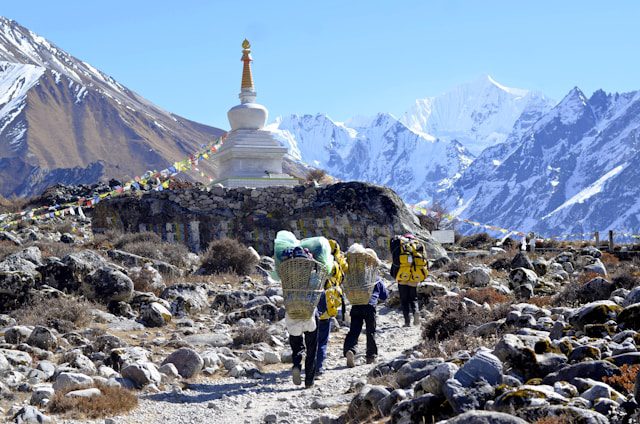
Religious and cultural sites maintain sanctity with limited visitor numbers. Monasteries and temples designed for small congregations feel violated by large tourist groups. Monks and priests engage meaningfully with respectful small groups. Overwhelming sites with tourists disrespects sacred spaces.
Traditional practices continue undisturbed when tourism remains appropriately scaled. Festivals, ceremonies, and daily rituals accommodate small observer groups. Large groups alter activities catering to tourist expectations. Authenticity preservation requires visitor number management.
Gift-giving and charitable interactions distribute more equitably in small groups. Thoughtful exchanges occur between individuals rather than mass handouts. Large groups create dependency dynamics and inequitable distributions. Small-scale generosity maintains dignity and reciprocity.
Safety and Risk Management in Smaller Trek Groups
Guide attention spans all participants effectively in small groups. Monitoring health, acclimatization, and morale occurs continuously. Large groups prevent individualized attention. Altitude sickness symptoms may go unnoticed until serious. Small group guides recognize subtle changes requiring intervention.
Emergency response becomes manageable with limited participants. Evacuating one person from a small group allows others to continue or descend together. Large group evacuations create logistical nightmares. Communication and coordination complexity increases exponentially with size.
Trail navigation safety improves when guides control fewer people. Dangerous sections including narrow ridges and unstable slopes accommodate small groups carefully. Large groups create bottlenecks and pressure to move before ready. Accidents increase when people feel rushed.
Weather response flexibility exists in small groups. Altering itineraries, taking rest days, or changing routes occurs through quick consensus. Large groups commit to fixed schedules regardless of conditions. Small groups prioritize safety over rigid planning.
Medical emergencies receive immediate attention in small settings. Guides carry comprehensive first aid supplies adequate for group size. Large expeditions strain medical resources when multiple people face issues simultaneously. Small groups evacuate efficiently using available resources.
Communication systems function reliably for small groups. Satellite phones and radios connect entire groups during separations. Large groups fragment across terrain preventing cohesive communication. Small size enables constant contact maintenance.
Acclimatization monitoring succeeds with individual attention. Guides track each person’s adaptation through daily assessments. Large groups rely on self-reporting missing early warning signs. Small group leaders recognize individual variability adjusting pace accordingly.
Local Economic Distribution from Multiple Small Groups
Employment opportunities spread across communities when multiple small groups operate. One large group employs several guides and porters from single agencies. Ten small groups utilize staff from diverse villages and companies. Wealth distribution improves through decentralized employment.
Porter loads remain humane in small group operations. Each porter carries 20 to 30 kilograms over challenging terrain. Small groups require fewer porters with manageable individual loads. Large expeditions pressure porters into dangerous overloading meeting equipment demands.
Local guide development occurs through small group leadership opportunities. Junior guides gain experience leading manageable groups. Large expeditions require senior guides only. Small operations create career pathways for emerging talent.
Seasonal employment extends longer with steady small group flow. Large groups concentrate in peak seasons leaving shoulder periods empty. Small groups operate throughout extended seasons. Communities receive income across more months supporting year-round livelihoods.
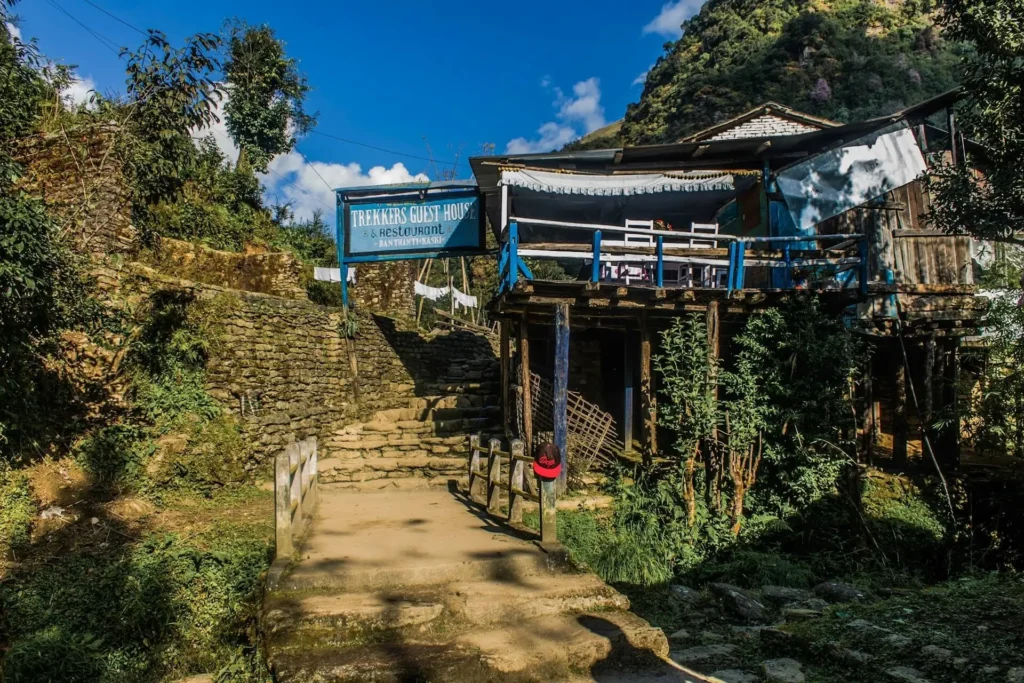
Tea house income distributes evenly when small groups patronize multiple establishments. Villages contain three to eight lodges. Large groups book entire lodges excluding smaller operators. Small groups rotate between establishments supporting all local businesses.
Fair wage negotiations succeed in small ethical operations. Responsible companies pay above minimum rates ensuring dignified compensation. Large budget operations pressure wages downward maximizing profit margins. Small groups affiliated with ethical operators ensure fair treatment.
Women’s employment increases in small group tea house economies. Female lodge owners and cooks serve small groups comfortably. Large groups prefer male-staffed operations in conservative regions. Small-scale tourism empowers women economically.
Flexibility and Personalization
Itinerary modifications accommodate individual interests and abilities in small groups. Spending extra time at culturally significant sites occurs through group agreement. Large groups maintain rigid schedules preventing spontaneity. Small size enables democratic decision-making.
Rest day timing adjusts to actual acclimatization needs. Small groups add rest days when members show altitude stress. Large expeditions adhere to predetermined schedules regardless of participant condition. Flexibility prevents altitude-related illness.
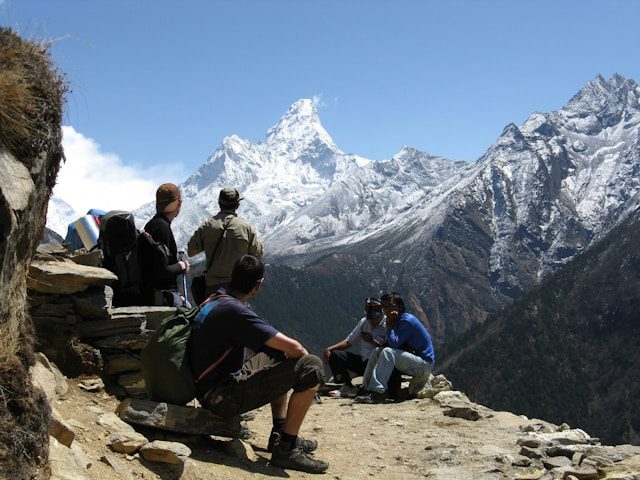
Photography opportunities expand with patient small group pacing. Stopping for optimal lighting or wildlife sightings happens naturally. Large groups cannot accommodate individual photographer needs. Small groups share enthusiasm for capturing moments.
Side trip options open for adventurous small group members. Exploring alternative viewpoints or nearby villages occurs easily. Large groups lack flexibility for optional excursions. Small groups customize experiences matching participant energy.
Meal timing and pace adjust to group preferences. Early risers and night owls find accommodation in small settings. Large groups enforce uniform schedules. Small groups balance individual rhythms maintaining harmony.
Cultural learning depth increases through extended conversations. Guides share detailed knowledge when managing a few people. Large groups receive superficial information during brief stops. Small groups engage in substantive cultural education.
Physical pace variation accommodates mixed abilities. Faster trekkers and slower walkers find comfortable rhythms. Large groups force uniform pacing frustrating both ends of ability spectrum. Small groups adjust naturally to members.
Glacier Safari Treks Small Group Philosophy
Glacier Safari Treks limits all departures to a minimum number of people. This ceiling ensures environmental responsibility and quality experiences. We also enforce other policies for our guides and trekkers alike. These are listed as follows.
- Carefully planned itineraries build acclimatization and cultural immersion. Rest days occur at strategic altitudes. Village stays emphasize local interaction. Routes avoid overcrowded corridors when alternatives exist.
- Experienced guides with intimate route knowledge lead all treks. Most guides originate from trekking regions possessing cultural connections. Language skills enable meaningful local interaction. Safety certifications and wilderness first aid training ensure competence.
- Porter welfare policies guarantee ethical treatment. Load limits never exceed 25 kilograms. Proper equipment including footwear and clothing provisions protect porter health. Insurance coverage addresses injury and illness. Fair wages exceed industry minimums.
- Environmental practices minimize trekking footprints. All waste carries out to Kathmandu for proper disposal. Kerosene stoves replace firewood at high altitudes. Reusable water bottle systems eliminate plastic. Solar chargers reduce battery waste.
- Community partnership programs direct benefits to remote villages. Schools receive educational materials and supplies. Health posts gain medical equipment. Employment prioritizes local residents. These initiatives strengthen relationships beyond transactional tourism.
Comparing Group Size Outcomes
There is a stark difference between trekking with a large group and a small group. Trekking with a larger group comes with more detriments than advantages. Here is a proper explanation as to why that’s the case.
- Trail conditions on popular routes show clear size-related differences. Everest Base Camp and Annapurna Circuit segments hosting large groups display severe erosion. Less-traveled routes with small group traffic maintain better condition. Photographic evidence documents degradation correlation with traffic volume.
- Cultural authenticity surveys reveal host community preferences. Villagers overwhelmingly prefer small groups citing reduced disruption and meaningful interaction. Large groups generate income but damage social fabric. Communities implement visitor number limits protecting quality of life.
- Safety statistics demonstrate lower incident rates in small groups. Altitude sickness evacuations, injuries, and emergencies occur less frequently per capita. Guide attention and flexibility contribute to better outcomes. Large group statistics show higher risk ratios.
- Economic studies trace income distribution patterns. Small group economies spread wealth among more households. Large group concentrations benefit few established operators. Gini coefficient measurements show greater equality in small group trekking economies.
- Environmental impact assessments quantify damage differences. Soil compaction, vegetation loss, and waste accumulation measure higher in large group areas. Small group zones maintain closer to baseline conditions. Scientific monitoring validates anecdotal observations.
- Participant satisfaction ratings favor small group experiences. Post-trek surveys show higher ratings for cultural interaction, guide attention, and flexibility. Large group participants cite frustration with pace and limited personalization. Satisfaction correlates inversely with group size.
Responsible Trekking Choices
- Researching company environmental and social policies precedes booking. Websites and brochures reveal commitments to sustainability. Third-party certifications validate claims. Companies avoiding policy discussion likely lack responsible practices.
- Questioning group size maximums during inquiry identifies responsible operators. Companies capping groups demonstrate environmental awareness. Those accepting unlimited numbers prioritize profit over impact. Maximum size reveals company values.
- Porter treatment inquiries expose ethical standards. Responsible companies welcome questions about wages, loads, and equipment. Evasive responses indicate poor practices. Asking about insurance and rest day policies reveals true commitment.
- Carbon offset programs address trekking’s climate impact. Flights and ground transportation generate emissions. Reputable offset programs fund renewable energy and reforestation. Some companies integrate offsets into pricing.
- Seasonal timing distributes impact reducing concentrated pressure. Peak season crowds overwhelm infrastructure and trails. Shoulder season trekking encounters fewer people and better local interaction. Weather trade-offs exist but benefits often outweigh costs.
- Route selection beyond popular corridors spreads tourism benefits. Everest and Annapurna regions receive disproportionate traffic. Alternative areas including Langtang, Manaslu, and Dolpo offer equivalent beauty with less impact. Exploring these regions supports underserved communities.
- Duration choices affect depth of experience. Shorter treks rush through regions superficially. Extended itineraries allow cultural immersion and proper acclimatization. Investing time creates meaningful connections and safer experiences.
Future of Sustainable Trekking
Trekking often comes with a lot of downsides for the local community in the current landscape. However, there are a lot of ways governments, trekkers and operators can ensure that trekking remains sustainable in the future.
- Permit systems may eventually limit daily entries on popular routes. Bhutan’s high-value low-volume model demonstrates viability. Nepal’s government considers similar approaches protecting fragile regions. Small group requirements could accompany permits.
- Community-based tourism initiatives empower local management. Villages establish regulations governing visitor numbers and behavior. Income remains entirely local. These models succeed in several regions potentially expanding.
- Technology applications monitor trail conditions and crowding. Real-time data informs route selection and management decisions. Trekkers access information choosing less-impacted alternatives. Gamification encourages sustainable choices through incentives.
- Education programs raise awareness among trekkers and operators. Understanding environmental and cultural impacts influences behavior. Schools and guide training incorporate sustainability principles. Cultural shift toward responsible tourism accelerates through education.
- International standards for sustainable trekking may emerge. Certification programs similar to eco-lodge ratings could apply to trekking companies. Consumer demand drives industry improvement. Standards provide objective comparison metrics.
- Climate change adaptation requires reduced impact approaches. Melting glaciers and changing weather patterns stress mountain ecosystems. Small group trekking represents adaptation, maintaining access while protecting resources. Large-scale tourism becomes unsustainable as conditions deteriorate.
Frequently Asked Questions
1. Do small group treks cost more than large group options?
Small group treks often cost 10-20% more per person due to economies of scale differences. However, superior guide attention, flexibility, and cultural experiences justify premium pricing. Ethical employment and environmental practices add costs benefiting communities and ecosystems.
2. Can I join a small group trek as a solo traveler?
Glacier Safari Treks welcomes solo travelers joining scheduled small group departures. Fixed departure dates allow individuals to join established groups. This provides small group benefits without organizing private treks. Solo supplements may apply for single room accommodation.
3. What happens if someone gets sick in a small group?
Small groups handle illness more effectively than large expeditions. Guides provide immediate attention and arrange evacuation if necessary. Remaining group members continue with assistant guides or descend together. Individual needs receive priority without abandoning others.
4. Are small groups safer in remote areas?
Small groups demonstrate better safety records through enhanced guide attention and communication. Emergency responses execute faster with fewer people. Flexibility to adjust plans based on conditions reduces risk. Group cohesion improves when everyone knows each other.
5. How can I book a small group trek with Glacier Safari Treks?
Visit glaciersafaritreks.com to view small group departure schedules for treks across Nepal. Contact our team directly to discuss specific dates and customization options. We maintain strict group size limits ensuring quality experiences while supporting remote communities sustainably.