

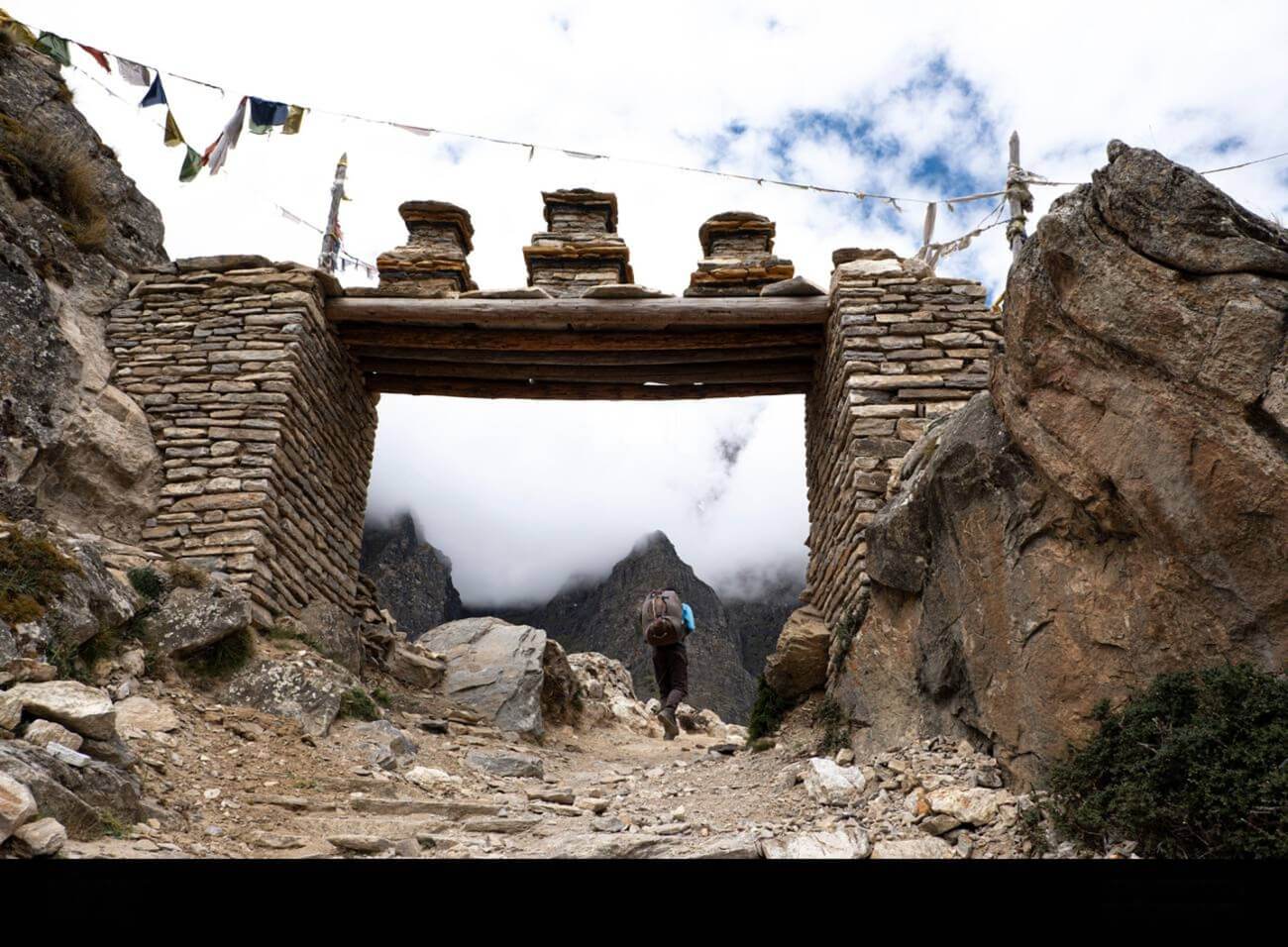
The Himalayas contain valleys that tourism bypassed not through lack of beauty but through deliberate isolation. Nar Phu Valley trek remained closed to foreigners until 2003 when Nepal’s government issued the first trekking permits. The valley sits north of the Annapurna circuit pressed against the Tibetan border where monsoons weaken and landscapes resemble high-altitude desert. Stone villages cling to cliff faces. Ancient monasteries perch on ridges. The trail crosses passes exceeding 5000 meters demanding fitness and acclimatization.
This trek separates casual hikers from serious mountaineers. The route involves technical sections, exposed trails, and river crossings without bridges. Services remain minimal with basic teahouses offering simple food and shelter. No rescue helicopters reach certain sections during bad weather. Trekkers accept genuine risk pursuing authentic Himalayan experience. Glacier Safari Treks operates one fixed departure on April 19 for trekkers possessing requisite experience and determination.
Why Nar Phu is Great for Adventurers
1. The High Passes Challenge
Kang La Pass sits at 5320 meters forming the trek’s technical and physical climax. The ascent begins before dawn with headlamps illuminating the frozen trail. Altitude affects everyone regardless of fitness. Lungs strain, extracting oxygen from thin air. Each step requires deliberate effort. The pass offers no facilities or bailout options. Commitment becomes total once ascent begins.
Weather at high elevation changes rapidly. Clear mornings cloud over by noon. Afternoon snow obscures trails and reduces visibility to meters. Wind chill drops temperatures below minus 20 degrees Celsius. Frostbite risk increases with each hour of exposure. The crossing demands proper gear, early starts, and weather judgment developed through mountain experience.
Technical difficulty includes steep boulder fields requiring hand use. Loose scree slides under boots testing ankle strength. Fixed ropes assist through cliff sections but proper usage requires training. Inexperienced trekkers struggle with rope technique potentially creating dangerous situations. The pass demands mountaineering competence beyond typical trekking skills.
Acclimatization determines pass success more than fitness. Bodies require days adapting to altitude. The itinerary includes rest days at Phu village and Meta allowing physiological adjustment. Rushing acclimatization invites altitude sickness potentially fatal without proper descent. Conservative pacing protects health while enabling pass crossing.
Kang La’s north side drops steeply into Nar village through switchbacks requiring concentration when exhausted from the climb. Descent places enormous strain on knees and quadriceps. Trekking poles become essential distributing impact forces. The 1200-meter descent takes three to four hours maintaining focus throughout.
2. Remote Terrain and Isolation
The Nar Phu Valley receives perhaps 500 trekkers annually compared to thousands on the main Annapurna circuit. This isolation preserves cultural authenticity but eliminates infrastructure supporting mass tourism. The remoteness appeals to trekkers seeking solitude and challenge but requires self-sufficiency and realistic expectations.
Trail sections wash out during monsoon requiring reconstruction each autumn. Some years paths remain unrepaired forcing dangerous river crossings or rock scrambles. Government maintenance funding rarely reaches this remote area. Trekkers sometimes find routes significantly different from guidebook descriptions. Adaptability becomes essential when trails don’t match expectations.
Communication infrastructure barely exists. Mobile signals reach only the lowest villages. Satellite phones provide the sole reliable connection to the outside world. The Internet remains a fantasy. This disconnection appeals to digital detox seekers but complicates emergencies requiring coordination with rescue services or family notification.
Medical facilities don’t exist beyond basic first aid kits carried by guides. Serious illness or injury requires evacuation to Kathmandu via helicopter when weather permits. Insurance covering helicopter evacuation costing $5000 to $8000 becomes mandatory. The medical isolation means minor issues managed easily elsewhere become serious concerns.
Supply chains operate on porter backs or yak trains. Everything from food to building materials arrives via animal or human transport. This logistics reality means limited food variety and basic accommodation. Trekkers expecting Annapurna circuit conveniences face disappointment. The primitive conditions form part of the authentic experience.
3. Cultural Immersion in Tibetan Buddhist Communities
Nar and Phu villages maintain Tibetan Buddhist traditions dating back centuries. The inhabitants speak Tibetan dialects and practice polyandry where multiple brothers share one wife. These customs reflect harsh mountain economics where limited arable land cannot support multiple family divisions. Modern influences penetrate slowly with younger generations increasingly leaving for education and employment.
Tashi Lhakhang monastery in Phu dates to the 11th century containing murals and statues of significant artistic and religious value. Monks maintain daily prayer schedules welcoming respectful visitors to observe ceremonies. Photography restrictions apply in sacred spaces requiring permission before shooting. The monastery represents living Buddhism rather than tourist attraction.
Village architecture uses stone construction without mortar. Walls three feet thick provide insulation against winter temperatures dropping to minus 30 degrees. Flat roofs serve as drying areas for crops and storage space. Windows remain small, minimizing heat loss. The buildings evolved over generations solving high-altitude living challenges through practical design.
Agricultural practices utilize terraced fields growing barley, potatoes, and buckwheat. The short growing season from May through September limits crop options. Irrigation channels divert glacial meltwater to fields. Animal husbandry including yaks and sheep provides dairy products, meat, and wool. The subsistence economy functions with minimal cash flow.
Hospitality traditions welcome strangers into homes. Butter tea, a salty brew of tea, butter, and salt, appears constantly. Refusing refreshment insults hosts but the acquired taste challenges Western palates. Tsampa, roasted barley flour mixed with tea, forms staple food. Cultural sensitivity requires accepting offers even when preferences run elsewhere.
Who Should Attempt Nar Phu Valley Trek
1. Previous High-Altitude Experience
Trekkers need prior experience above 4500 meters understanding their altitude response. First-time Himalayan trekkers should attempt lower routes like Annapurna Base Camp or Langtang before Nar Phu. The trek leaves no room for learning altitude management while attempting it.
2. Strong Physical Fitness
Daily hiking durations reach 6 to 8 hours over rough terrain. Cardiovascular fitness supporting sustained exertion at altitude becomes essential. Training should include loaded hiking, building leg strength and endurance. Gym fitness doesn’t translate directly to mountain performance without specific preparation.
3. Mental Resilience
Discomfort from cold, basic facilities, limited food, and physical exhaustion tests mental strength. Complaining about conditions improves nothing. Trekkers need a positive mindset accepting hardships as part of adventure. Those requiring comfort should choose different treks.
4. Technical Trail Experience
Scrambling on boulder fields, crossing rivers on logs, and navigating exposed paths require comfort with technical terrain. Previous experience on difficult trails builds judgment about personal capabilities. Inexperienced trekkers create safety risks for themselves and others.
5. Self-Sufficiency Mindset
Rescue infrastructure doesn’t exist like developed trekking regions. Trekkers solve problems using available resources and creativity. Dependent personalities expecting guide solutions for every issue struggle. Adventure requires accepting responsibility for outcomes.
April Departure Timing and Conditions
The April 19 departure targets optimal weather between winter cold and monsoon moisture. Spring temperatures moderate at lower elevations while high passes remain cold but passable. Clear skies provide mountain views and safe passage conditions. This window represents the prime season for Nar Phu attempts.
Snow levels determine pass accessibility. Heavy winter snowfall may leave high sections impassable until May. Conversely, light snow years allow earlier crossings. Current year conditions influence route decisions made just before departure. Flexibility regarding exact timing becomes necessary.
Rhododendrons bloom at mid-elevations during April painting hillsides red, pink, and white. The floral display adds beauty to lower sections before entering high desert landscapes. Photography opportunities combine flowering trees with snow peaks creating dramatic compositions.
Trail traffic increases through April as the season progresses. The single fixed departure avoids peak crowding while ensuring sufficient seasonal preparation. Group size caps at 12 participants maintaining quality experience without overwhelming small villages. Larger groups strain teahouse capacity and alter cultural interactions.
Weather windows for pass crossing appear more reliably in April than monsoon-transition May. Stable high-pressure systems settle over regions bringing consistent conditions. This stability reduces weather-related risks though mountain weather always carries uncertainty. No season guarantees perfect conditions.
Required Permits and Regulations
Nar Phu requires restricted area permits costing $90 for the first seven days then $15 per additional day. Annapurna Conservation Area Project permits add $30. TIMS cards cost $20. Total permit costs reach approximately $140 to $160 depending on exact itinerary duration. Glacier Safari Treks handles all permit arrangements.
Restricted area regulations mandate guide accompaniment. Independent trekking is prohibited. This requirement ensures safety standards and controls visitor numbers. Groups must register at checkpoints throughout the route with officials verifying permit validity.
Minimum group size requirements apply with most agencies requiring at least two paying clients for departures. Solo travelers join fixed departures or pay premium fees covering guide costs. The April 19 departure accommodates solo participants within group structure.
National park regulations prohibit littering, campfire building, and disturbance of wildlife. Waste management requires carrying out all non-biodegradable materials. Toilet facilities along the route remain limited, requiring proper waste disposal practices. Environmental responsibility forms part of trek ethics.
Drone usage requires separate permits rarely granted in restricted areas. Photography restrictions apply at monasteries and military installations near the Tibetan border. Respect for local sensitivities regarding images of people and religious sites maintains positive community relationships.
Essential Gear Requirements
Four-season sleeping bags rated to minus 15 degrees Celsius become mandatory for high camps. Teahouse blankets supplement bags but don’t provide sufficient warmth alone. Down bags pack smaller and provide better warmth-to-weight ratios than synthetic alternatives. Proper sleep enables recovery essential for high-altitude performance.
Insulated boots with good ankle support handle technical terrain and cold conditions. Trail runners suitable for lower treks fail at altitude where warmth and protection matter. Waterproof-breathable construction keeps feet dry through stream crossings and snow sections. Breaking in boots before the trek prevents blisters derailing attempts.
Layering systems manage temperature fluctuations from hot valley floors to frozen passes. Base layers provide moisture management. Insulation layers trap warmth. Shell layers block wind and precipitation. The system allows adjustments throughout days as exertion levels and weather change. Down jackets serve as essential insulation at high camps.
Trekking poles reduce joint stress during long descents. The poles improve stability on loose terrain and assist with balance on narrow trails. Adjustable poles suit varying terrain allowing length optimization. Many trekkers initially resist poles then become devoted users after experiencing benefits.
Headlamps with fresh batteries enable predawn starts and evening activities. Backup batteries run down quickly in cold temperatures. Multiple light sources prevent complete darkness if primary fails. The remote environment offers no replacements for failed equipment.
Emergency Protocols and Insurance
Helicopter evacuation represents the only viable rescue method for serious medical issues. Weather delays evacuations sometimes for days until conditions permit flying. Travel insurance must explicitly cover helicopter rescue with minimum $10,000 coverage. Standard policies exclude high-altitude trekking requiring specialized adventure coverage.
Acute mountain sickness symptoms require immediate descent regardless of schedule disruption. Continuing upward with headaches, nausea, or dizziness invites potentially fatal complications. Guides make the decision to descend, overriding client preferences when safety concerns arise. Accepting guide authority on medical matters forms part of participation agreement.
Communication plans establish check-in protocols with Kathmandu base. Satellite phone calls confirm group position and status. Extended communication failures trigger search procedures. Emergency contacts receive notification of any serious incidents following established protocols.
First aid training for guides includes altitude illness recognition and treatment. Basic medications for common issues accompany groups. Serious conditions exceed field treatment capacity requiring evacuation. Trekkers should understand medical response limitations in remote environments.
Group cohesion affects emergency response effectiveness. Stronger members assist those struggling. Shared responsibility for safety strengthens team dynamics. Selfish behavior endangering others meets swift removal from trekking parties. Adventure travel requires maturity and consideration.