

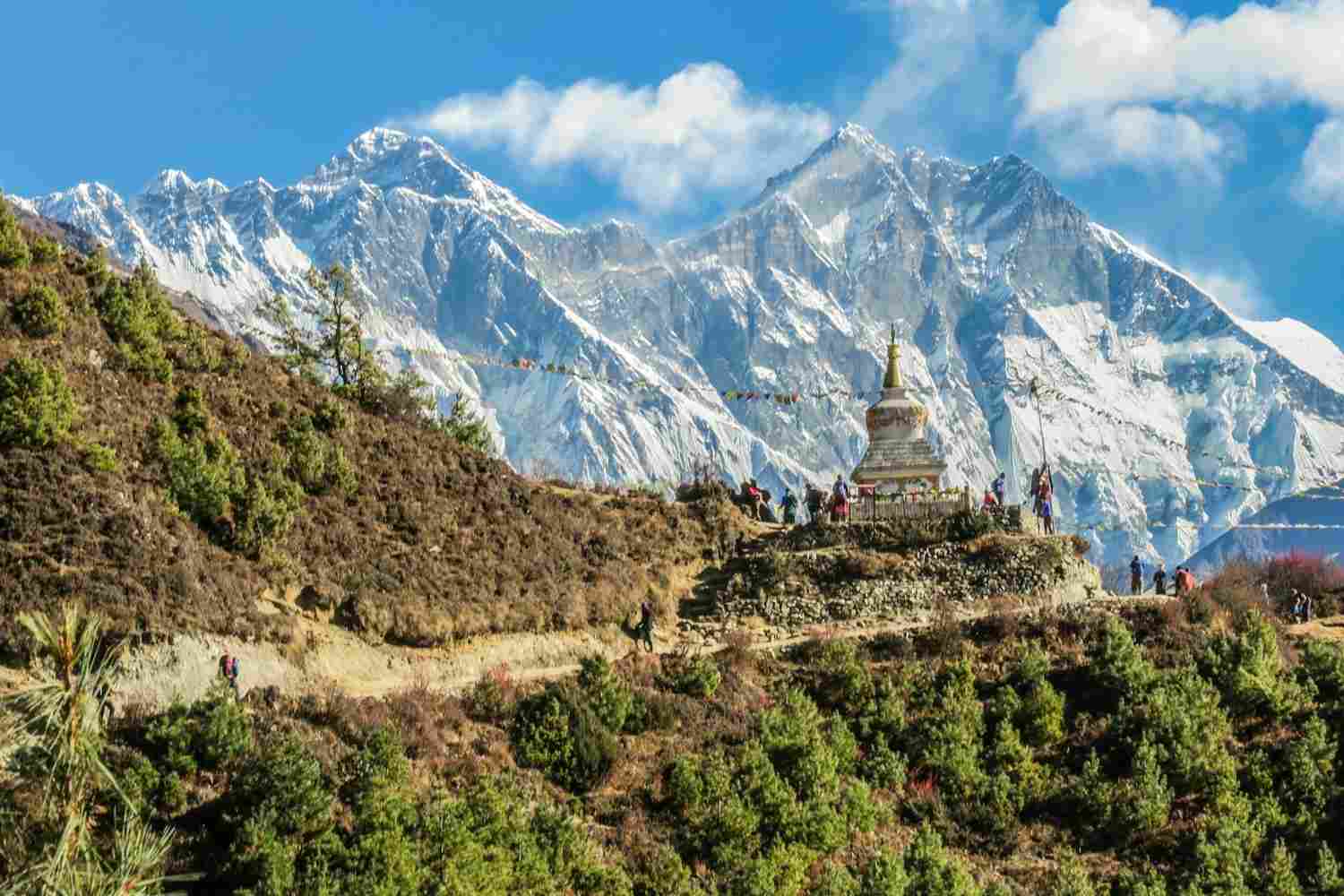
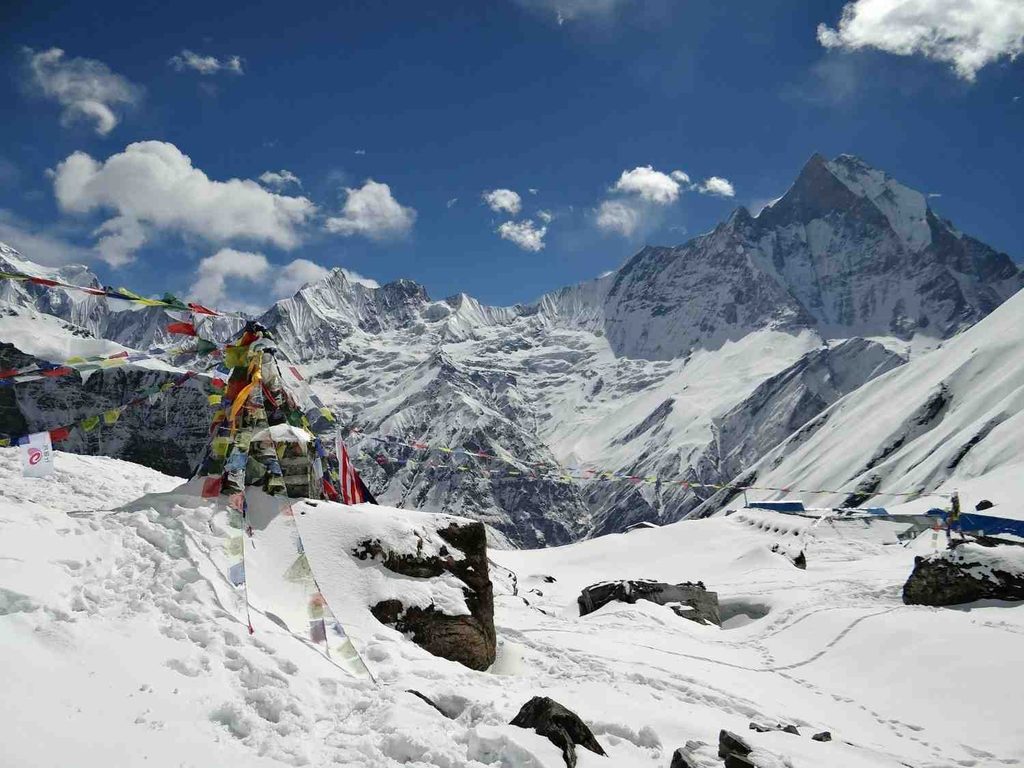
If you’re choosing between Everest Base Camp (EBC) and Annapurna Base Camp (ABC), you’ve picked two of Nepal’s most iconic treks, and also two of the most compared. Both take you into the shadow of 8,000m giants, both end at a dramatic base camp, and both are achievable without technical climbing skills. But they are not the same trek wearing a different name. This guide breaks down the real differences in difficulty, what makes each one special, and how to decide which one fits you.
Why People Compare EBC and ABC ?
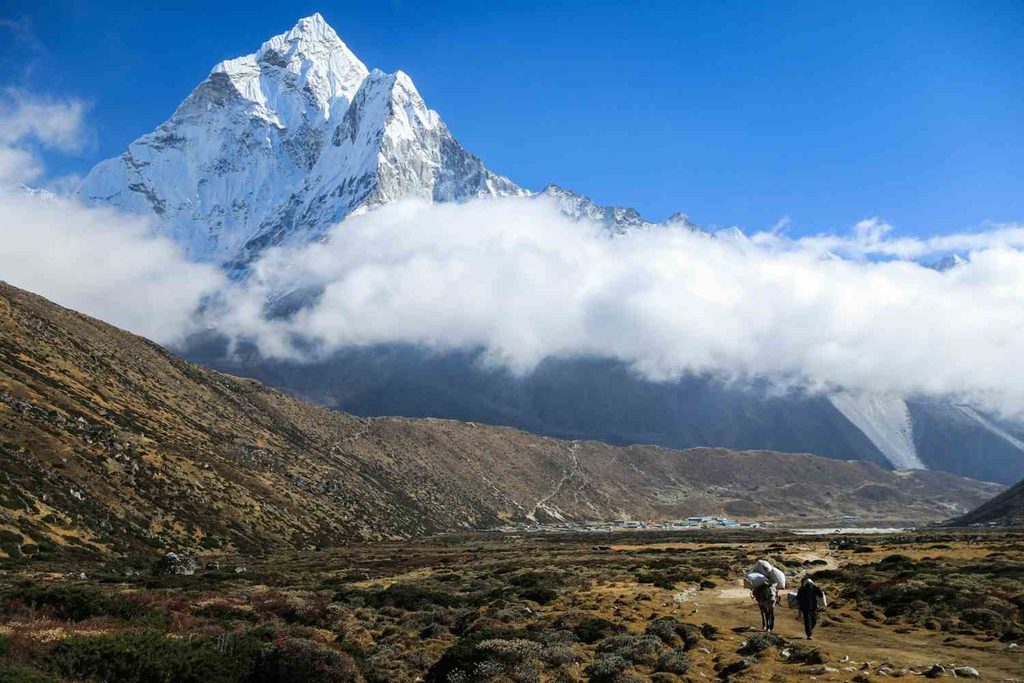
Trekkers usually have one big trip in Nepal to plan around a fixed amount of holiday time, so the question isn’t really “which trek is better”; it’s “which one fits my time, budget, and fitness”. Both treks:
- Reach the foot of a world-famous 8,000m peak
- Take you through Sherpa or Gurung mountain villages
- Are teahouse treks, meaning you sleep and eat in local lodges, not tents
- Don’t require ropes, crampons, or climbing experience
- Are considered classic “bucket list” treks for a first big trip to Nepal
Because they sit at similar difficulty tiers and appeal to the same type of trekker, they naturally get put side by side. The honest answer is that they’re both achievable for a reasonably fit beginner, but they differ enough in altitude, distance, and terrain that the choice matters.
Annapurna vs Everest: Difficulty At a Glance
| Factor | Everest Base Camp (EBC) | Annapurna Base Camp (ABC) |
| Max altitude | 5,364m (EBC), 5,545m if you add Kala Patthar | 4,130m |
| Typical duration | 12-14 days | 9-11 days |
| Daily walking | 5-7 hours | 5-6 hours |
| Altitude sickness risk | Higher, due to elevation | Lower, but still present |
| Terrain | Rocky trails, suspension bridges, some steep sections near Dingboche and Lobuche | Forest trails, stone steps, steeper daily elevation changes |
| Access | Flight to Lukla, then walking | Drive or short flight to Pokhara, then walking |
| Overall difficulty rating | Hard | Moderate to hard |
Is ABC tougher than EBC?
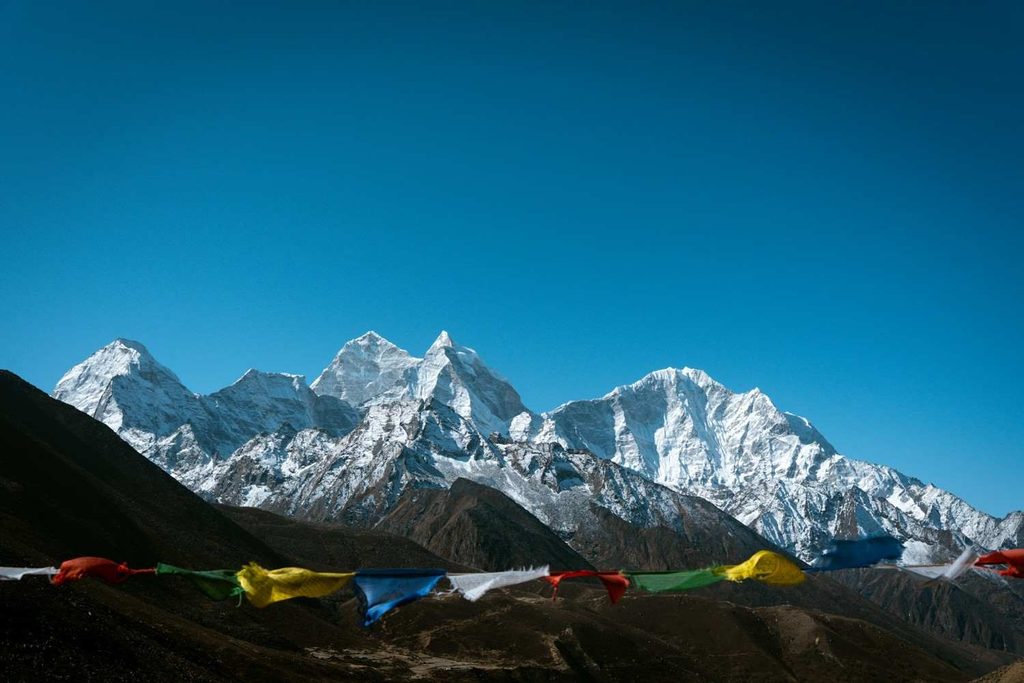
In terms of altitude, no. ABC tops out at 4,130m, well below EBC’s 5,364m, and lower altitude means lower risk of altitude sickness. But ABC isn’t a walk in the park either. The trail has a lot of stone staircases, especially between Ghorepani, Chhomrong, and the Sanctuary itself, and the daily elevation gain and loss can be more physically tiring on the legs than EBC’s steadier, longer stretches. So while EBC is harder overall because of the altitude and distance, ABC packs a real physical challenge into fewer days.
What Makes Each Trek Difficult, In Detail
Everest Base Camp
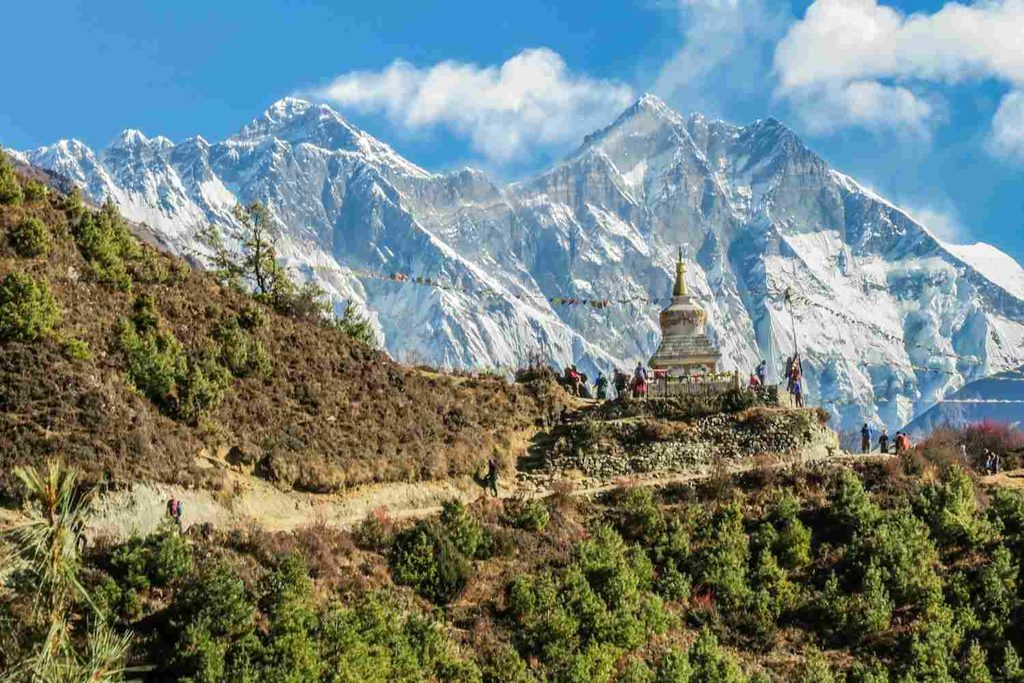
- Altitude. This is the single biggest factor. Above 4,000m, oxygen levels drop noticeably, and most people need at least two full acclimatisation days, typically at Namche Bazaar (3,440m) and Dingboche (4,410m).
- Length. At 12-14 days, EBC asks for sustained effort over nearly two weeks, which is more mentally and physically demanding than a shorter trip.
- The Lukla flight. The flight in and out of Lukla is short but weather-dependent. Delays happen, and trekkers should build a buffer day into their schedule.
- Cold. Nights at higher elevations, especially around Gorak Shep, can drop well below freezing outside peak season.
Annapurna Base Camp
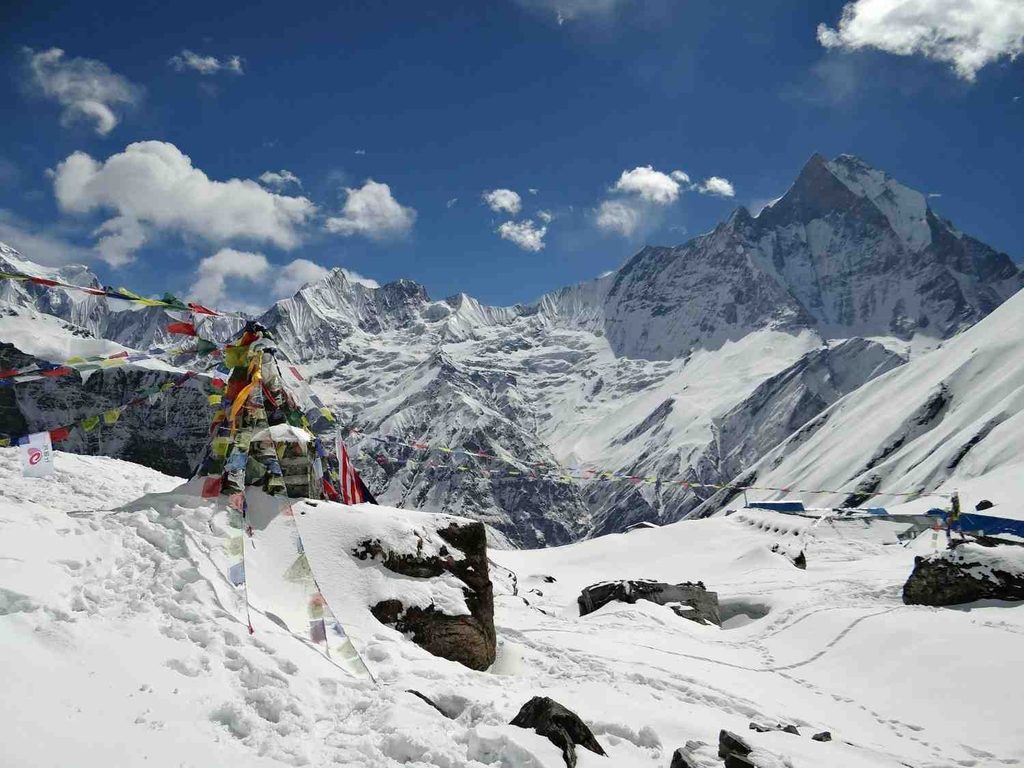
- Elevation changes. The trail constantly climbs and drops, particularly through the stone steps near Chhomrong, which can be harder on the knees than a steadier gradient.
- Pace over a shorter window. Because ABC is shorter, there’s less time to ease into the effort, so the first few days can feel demanding for a first-timer.
- Weather shifts. The trek moves through several microclimates, from warm lowland forest to cold alpine terrain near the Sanctuary, sometimes within a single day.
- Landslide-prone sections. Some trail sections near Chhomrong and Sinuwa can be affected by monsoon damage, so trail conditions vary more by season than on the EBC route.
Local insights: Everest Region
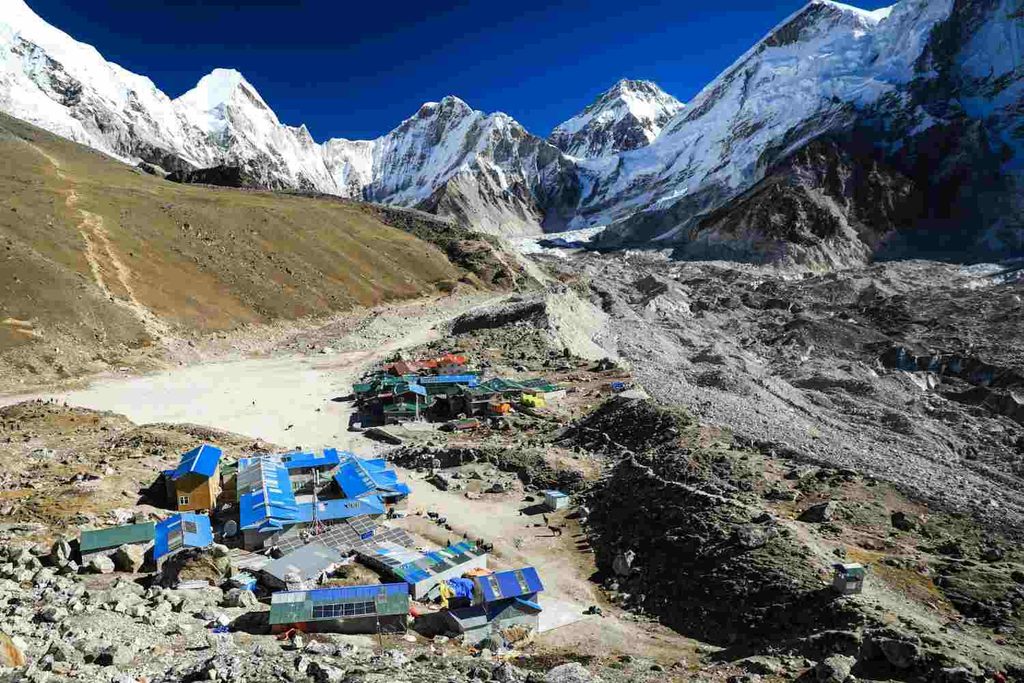
The Khumbu region, home to the EBC trek, is Sherpa country, and this shapes almost everything about the trip.
- Namche Bazaar is the real hub of the region. It’s worth spending your acclimatisation day exploring its bakeries, gear shops and the Sherpa Culture Museum rather than just resting.
- Tengboche Monastery, perched at 3,860m with Ama Dablam in the background, is one of the most photographed spots on the route and a genuine spiritual centre for the region.
- Sherpa hospitality runs deep here. Many teahouse owners have hosted climbing expeditions for generations, and conversations with them often reveal stories tied to Everest’s mountaineering history.
- Khumbu Icefall views from Kala Patthar, just above base camp, give a better photograph of Everest than base camp itself, since Everest is partially hidden from base camp by Nuptse.
Most admirable aspects of EBC
- Standing at the literal foot of the world’s highest mountain
- Walking through Sagarmatha National Park, a UNESCO World Heritage Site
- The living mountaineering history along the trail, from Hillary and Tenzing’s era to today’s climbers
- Sherpa culture, food and Buddhist monasteries woven into daily trekking life
Local insights: Annapurna region
The Annapurna Sanctuary trek moves through Gurung and Magar communities, and the landscape changes dramatically as you climb.
- Ghandruk and Chhomrong are classic Gurung villages with slate-roofed stone houses, and both offer some of the best close-up mountain views of the entire trek.
- The Sanctuary itself is a natural amphitheatre ringed by Annapurna I, Annapurna South, Hiunchuli and Machhapuchhre, the sacred “fishtail” mountain that is never climbed, out of respect for its religious significance.
- Hot springs at Jhinu Danda are a popular stop on the way down, a genuinely well-earned soak after days of walking.
- Rhododendron forests, especially in spring, turn sections of the trail red and pink, something EBC’s higher, more barren terrain doesn’t offer.
Most admirable aspects of ABC
- The 360-degree mountain panorama once you reach the Sanctuary, which few other treks match
- A shorter, more accessible route into genuine high-mountain scenery
- Rich, varied forest and farmland scenery on the lower sections
- Machhapuchhre’s sacred, untouched summit, a rare thing to see up close
Choosing Between EBC and ABC
Here’s how the two treks stack up on the factors that usually decide the choice.
Duration
- EBC: 12-14 days is the standard range, plus a spare day or two in case the Lukla flight is delayed
- ABC: 9-11 days covers the trek comfortably, making it a better fit for people with less holiday time
Cost
- EBC: Generally more expensive, mainly because of the Lukla flights (both ways) and the longer trek duration, which adds accommodation, food and guide days
- ABC: Usually cheaper overall, since it’s road-accessible from Pokhara and takes fewer days
Season
Both treks are best in the same two windows:
- Spring (March to May): Warmer temperatures, clearer mountain views, and on the Annapurna side, rhododendrons in bloom
- Autumn (late September to November): The most stable weather of the year, with the clearest skies for mountain photography on both routes
Winter is possible on ABC with proper gear, though snow can block the upper trail. EBC in winter is colder and harder, better suited to experienced trekkers. Monsoon season (June to August) brings rain, leeches, and poor visibility on both routes, so it’s best avoided for either trek.
Requirements
| Requirement | EBC | ABC |
| Guide | Mandatory for foreign trekkers | Mandatory for foreign trekkers |
| Permits | Sagarmatha National Park permit, local Khumbu Pasang Lhamu entry permit | Annapurna Conservation Area Permit (ACAP), TIMS card |
| Fitness level needed | Good, with prior hiking experience helpful | Moderate, achievable for most healthy beginners |
| Flight dependency | Yes, Lukla flight (weather-dependent) | No, road or short domestic flight to Pokhara only |
| Altitude preparation | Essential, 2 dedicated acclimatisation days built into the itinerary | Helpful but less critical, given the lower altitude |
Since April 2023, Nepal requires all foreign trekkers to hike with a licensed guide on both routes. You can no longer get a TIMS card as an independent trekker for either trek. This isn’t a bad thing in practice. It means every trekker gets someone trained in altitude management, local navigation, and emergency response, regardless of experience level.
So, which trek should you choose?
There’s no universally “better” option, only a better fit for your situation.
Choose Everest Base Camp if:
- You have 12 days or more to give to the trek itself
- You want the higher altitude challenge and are willing to build in acclimatisation time
- Sherpa culture and Everest’s mountaineering history draw you in specifically
- Budget flexibility allows for the Lukla flights and longer trek costs
Choose Annapurna Base Camp if:
- You have a tighter travel window, around 9 to 11 days
- You want a lower-altitude trek with less risk of altitude sickness
- You prefer greener, more varied scenery, from rice terraces to rhododendron forest to alpine amphitheatre
- You’re looking for a more budget-friendly option without sacrificing mountain views
If you genuinely cannot decide, think about it this way. EBC is the bigger, longer, higher achievement, the trek most people picture when they think “Everest.” ABC is the more efficient, still spectacular option that fits into a shorter trip without asking as much of your lungs. Neither is the easy option, but ABC is the gentler introduction to high-altitude trekking in Nepal.
Reach out to the team for booking treks in Nepal
Still weighing up EBC against ABC, or wondering which one suits your fitness level and travel dates? The Glacier Safari Treks team in Kathmandu can talk you through both routes, build a custom itinerary around your schedule, and arrange a French-speaking guide if that helps.
Get in touch through our contact page or send an inquiry for the trek you’re leaning towards, and our team will reply quickly with everything you need to plan your trip.
FAQs
1. Which trek is harder overall, EBC or ABC?
Everest Base Camp is harder overall, mainly because of the higher altitude and longer duration. Annapurna Base Camp is still a real physical challenge, with steep stone staircases and shifting terrain, but the lower elevation makes it more approachable for most trekkers.
2. Can a beginner do either of these treks?
Yes, both are achievable for a reasonably fit beginner with the right preparation and a good guide. ABC is generally the gentler starting point because of its lower altitude and shorter length, while EBC asks for a bit more stamina and patience with acclimatisation.
3. Which trek is cheaper, EBC or ABC?
ABC is usually cheaper. It doesn’t require the Lukla flights that add cost to EBC, and its shorter duration means fewer days of accommodation, food, guide, and permit fees.
4. Do I need a guide for both treks?
Yes. From April 2023, all foreign trekkers are required to hike with a licensed guide on both the Everest Base Camp and Annapurna Base Camp routes. This is enforced through the TIMS card and permit system.
5. Can I do both treks in one trip to Nepal?
It’s possible if you have around three to four weeks free, but most trekkers choose one per trip given the physical demands of each. If you want to do both, plan real rest time between them and talk to your guide about spacing them out properly.